February 11, 2026 | 11:58 am
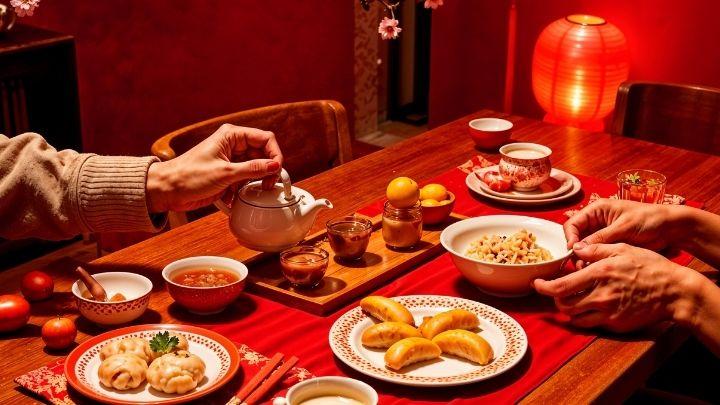
TEMPO.CO, Jakarta - In the series of Chinese New Year celebrations, there are several traditions carried out before and after Chinese New Year. One tradition that takes place the day before Chinese New Year is Sa Cap Meh. Although not as popular as Cap Go Meh, Sa Cap Meh holds a significant place because it marks the end of the year in the Chinese lunar calendar.
Sa Cap Meh is part of the transitional phase leading up to the new year, filled with various preparatory activities, rituals, and family customs in Chinese tradition.
What is Sa Cap Meh?
Sa Cap Meh comes from the Hokkien language and means 30th night. This term refers to the 30th night of the 12th month in the Chinese calendar, or the last night before the start of Chinese New Year.
In the context of the calendar, Sa Cap Meh marks the end of one lunar year cycle and serves as a closing ceremony before entering the first day of the Chinese New Year.
The Position of Sa Cap Meh in the Chinese Calendar
The Chinese calendar uses a lunar system, so the number of days in a month can vary from year to year. When the 12th month has 30 days, the last night is known as Sa Cap Meh.
Sa Cap Meh falls just before Chinese New Year, unlike Cap Go Meh, which falls on the 15th day after Chinese New Year. Both have different functions and meanings in the series of Chinese New Year celebrations.
Activities Carried Out During Sa Cap Meh
In traditional practice, Sa Cap Meh is filled with various activities related to preparations for welcoming the new year:
1. Prayer Rituals
Some Chinese people perform prayers at home or at the temple on the eve of Sa Cap Meh. This ritual is intended to honor ancestors and conclude the year.
2. House Cleaning
Ahead of Sa Cap Meh, cleaning the house and family altar is often done as part of the preparations for welcoming Chinese New Year. This activity takes place before the Chinese New Year arrives.
3. Preparation of Chinese New Year Food and Equipment
Sa Cap Meh is also a time to prepare dishes, prayer equipment, and other necessities for the following day's Chinese New Year celebrations.
4. Family Togetherness
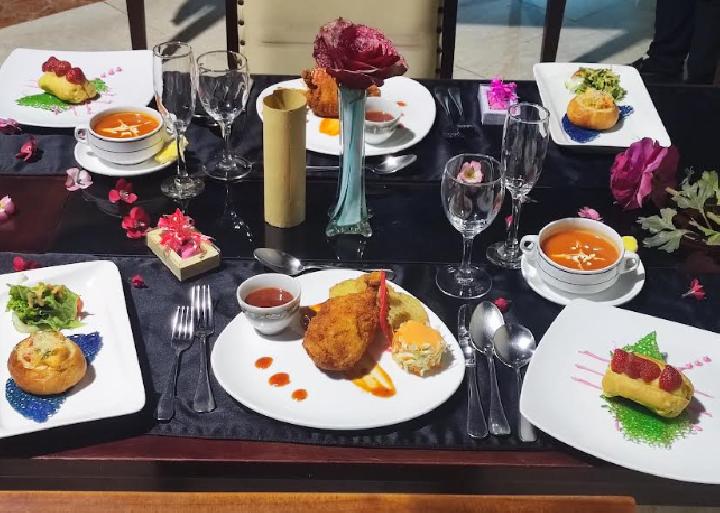
Sa Cap Meh is often used for family gatherings, including dinner as part of the family tradition of welcoming the new year.
The Difference Between Sa Cap Meh and Cap Go Meh
Sa Cap Meh and Cap Go Meh are often confused due to similar names. However, they have distinct differences.
Sa Cap Meh takes place before Chinese New Year, specifically on the last night of the lunar year. Meanwhile, Cap Go Meh is celebrated 15 days after Chinese New Year and marks the conclusion of the Chinese New Year celebrations.
Cap Go Meh is generally associated with open-air celebrations such as lantern festivals and cultural parades, while Sa Cap Meh is more related to the preparations and rituals leading up to Chinese New Year.
Sa Cap Meh as Part of the Chinese New Year Celebration
As part of Chinese tradition, Sa Cap Meh serves as a marker for the end of the year before entering the Chinese New Year celebrations. This tradition emphasizes that Chinese New Year celebrations don't just last one day, but rather consist of a series of stages that begin before Chinese New Year and end with Cap Go Meh.
By understanding Sa Cap Meh, the Chinese New Year celebrations can be seen more holistically, from the end of the old year to the conclusion of the celebrations on the 15th day after Chinese New Year.
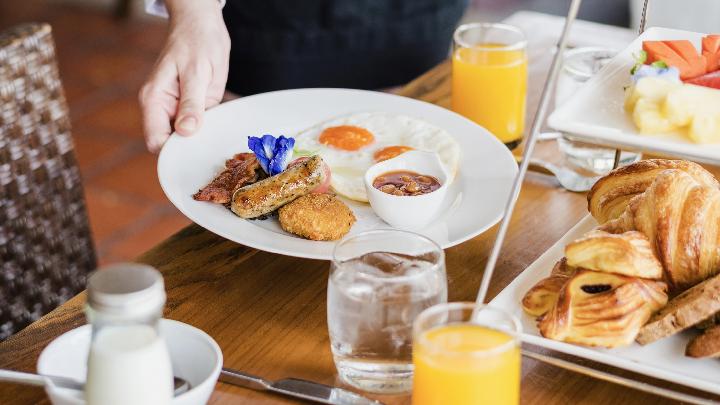
INSTAGRAM | MAKAN MANA.NET
Read: Chinese New Year: Medina Sees Surge in Indonesian Tourists, Homecoming Still Strong
Click here to get the latest news updates from Tempo on Google News
Chinese New Year: Medina Sees Surge in Indonesian Tourists, Homecoming Still Strong
14 jam lalu

Chinese New Year celebrations have become a significant momentum for the Indonesian tourism industry.
30 Chinese New Year Wishes to Welcome the Year of the Horse
22 jam lalu

As the countdown to the Year of the Horse begins, now is the perfect moment to send warm Chinese New Year wishes to family, friends, and loved ones.
More Than a Chinese New Year Show: The Meaning of Lion Dance
1 hari lalu
Behind the performances, lion dances have a long history rooted in legends, spiritual beliefs, and the patriotic values of the Chinese people.
KAI Palembang Sells 15,793 Tickets for Chinese New Year
2 hari lalu

PT Kereta Api Indonesia (KAI) Regional Division III Palembang recorded the sale of 15,793 tickets for the 2577/2026 Chinese New Year long holiday.
10 Best Chinese New Year Snacks in Singapore for Gifting and Hosting
4 hari lalu

Check out this go-to guide to Chinese New Year snacks in Singapore, featuring trusted heritage brands and modern festive creations.
10 Things to Do in Hong Kong This February 2026
4 hari lalu

February is one of the most exciting months to explore the city, and this curated guide rounds up the best things to do in Hong Kong.
10 Best Places to Celebrate Chinese New Year Around the World
6 hari lalu
The best places to celebrate Chinese New Year bring together centuries-old traditions, vibrant cultural customs, and spectacular modern festivities.
A Local Guide to Chinese New Year Celebrations in Singapore
10 hari lalu
Read a local guide to Chinese New Year in Singapore including key traditions, must-see celebrations, and more, here.
Must-See Chinese New Year Celebrations in Hong Kong
12 hari lalu
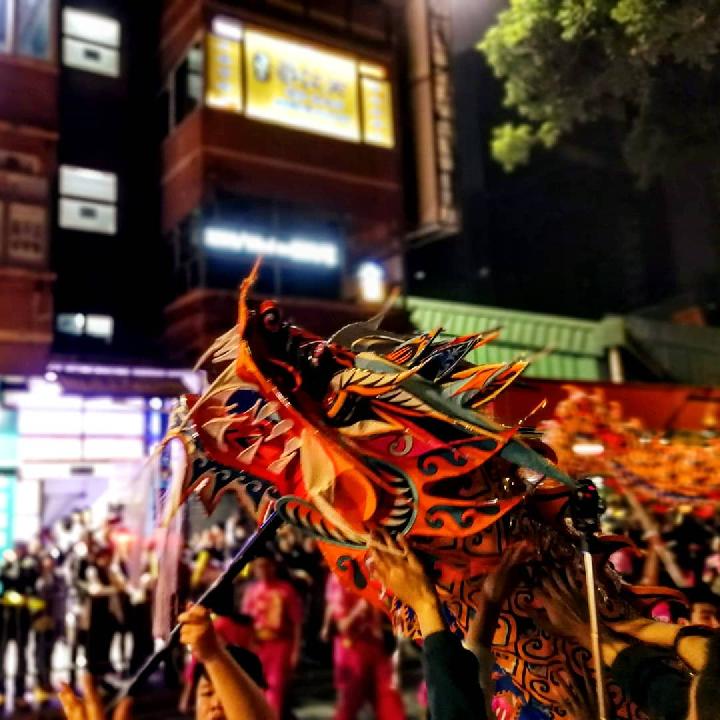
Celebrate Chinese New Year in Hong Kong with parades, flower markets, horse races, lantern festivals, and well-wishing events.
China Advises Citizens Against Japan Travel for CNY
13 hari lalu
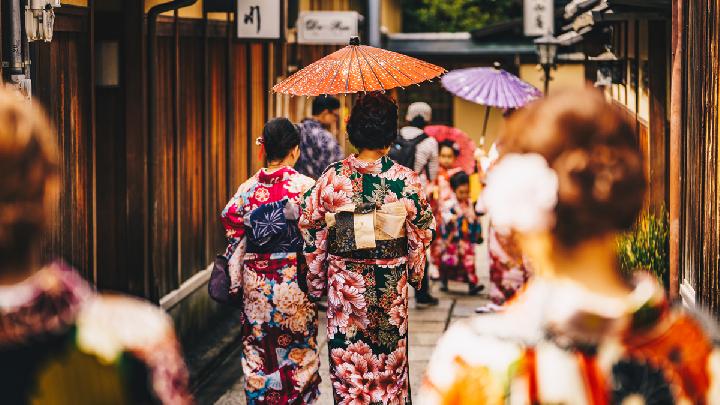
China's Ministry of Foreign Affairs advises citizens against visiting Japan for the 2026 Chinese New Year.