TEMPO.CO, Jakarta - The implementation of green building concepts in Indonesia is often hampered by the perception of high costs. This view is misplaced, as technological advances have made energy-efficient materials increasingly affordable.
Farida Lasida Adji, Country Managing Director of the Global Buildings Performance Network (GBPN), explained that energy efficiency strategies lie at the outset, with budget allocations needing to be intelligently designed. For example, in the construction cost structure, approximately 70 percent of the budget is allocated to flexible architectural and mechanical and electrical systems.
In this case, designers can choose to reduce the luxury of aesthetic materials, such as marble in the lobby, and divert funds to high-performance glass that can withstand heat. "The obstacle now isn't about cost, but rather construction practitioners' reluctance to step outside their comfort zone," said Farida at the Green Press Community 2026 in North Minahasa, Saturday, February 7, 2026.
Farida believes that many architects and engineering consultants still rely on rough calculations or rules of thumb rather than conducting precise energy simulations when designing buildings. As a result, potential energy savings are often overlooked during the design stage, even though this phase is crucial in determining the long-term performance of a building.
Furthermore, errors in the initial design have fatal consequences because energy inefficiencies are locked in for the entire lifespan of the building, which can be 40 to 50 years. "Once we waste something, the detrimental impact on the building will be long-lasting. If we want to reimagine it, it must be demolished before being rebuilt," said Farida.
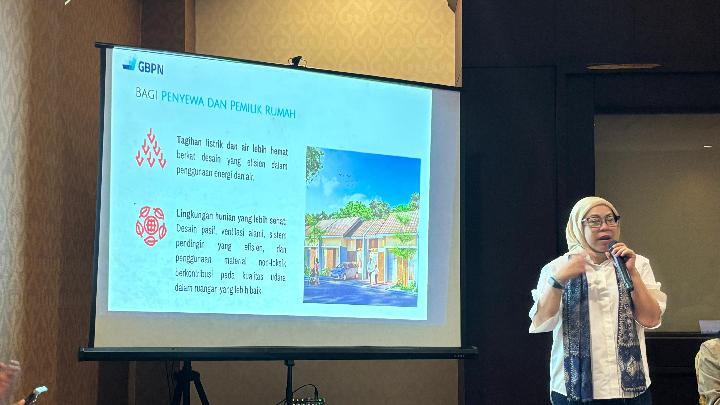
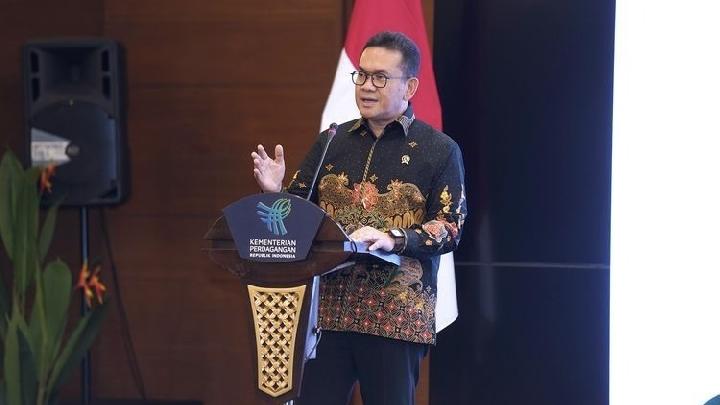
Country Managing Director of the Global Buildings Performance Network (GBPN) Farida Lasida Adji explained the green building concept at the Green Press Community 2026 event, North Minahasa, February 7, 2026. TEMPO/Alif Ilham Fajriadi
Farida explained one of the concepts of environmentally friendly green buildings. She said that green buildings aren't just about lush greenery and abundant plants, but also about construction that doesn't have significant emissions. Lower emissions mean more environmentally friendly energy use within the building.
Technical parameters such as the Overall Thermal Transfer Value (OTTV) should be the primary reference for measuring how much heat enters a room. The lower the OTTV value, the lighter the workload on the air conditioning system, ultimately reducing electricity operating costs significantly.
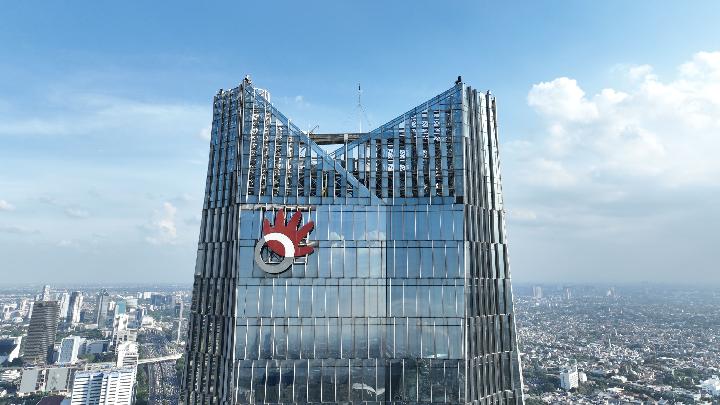
However, Farida said, recently, many building designs have prioritized aesthetics alone by installing full-length glass, without considering extreme heat transmission. Yet, the cost of this aesthetic is more expensive than building an interior with smooth air circulation.
She noted that the green building concept also relates to the use of more energy-efficient electronic devices. Currently, many furniture stores stock these devices, just waiting for consumers to buy them. "By starting to use environmentally friendly devices, this is one way to achieve green buildings," she said.
Read: Green Building Ratings Crucial to Address Climate Change
Click here to get the latest news updates from Tempo on Google News