
TEMPO.CO, Jakarta - A number of accounts on Instagram [archive] and Facebook spread content claiming that various household items cause cancer on January 29, 2026. The list includes air fresheners, plastic containers, non-stick cookware, plastic cutting boards, canned food, detergent, mosquito repellent, and aromatherapy candles.
But is it true that these items cause cancer in people who use them?
FACT CHECK
Tempo verified this content by interviewing oncologists and referring to various credible sources. In fact, not all household items contain cancer-causing substances. The low level of exposure means that the link between these items and cancer has not been proven conclusively.
What are the factors that cause cancer in humans?
Dr. Asdi Wihandono, a surgical oncologist at the Faculty of Medicine, Airlangga University (FK Unair), mentioned several factors that cause cancer. First, viruses such as Human Papillomavirus (HPV) and hepatitis.
Second, lifestyle and environment. Smoking, both active and passive, causes lung, mouth, and throat (larynx) cancer. Alcohol consumption also causes liver, breast, and esophageal cancer. In addition, obesity and lack of physical activity can cause breast, colon, and endometrial cancer. Exposure to solar UV radiation and ionization also causes several types of skin cancer, such as basal cell carcinoma.
“Air pollution (PM2.5) also causes lung cancer,” Asdi told Tempo on Tuesday, February 3, 2026.
Third, carcinogenic substances. The International Agency for Research on Cancer (IARC) has identified a number of cancer-causing substances such as asbestos, benzene, formaldehyde, aflatoxins (fungi in food), arsenic, and cigarette smoke.
The Head of the Research Institute at Yarsi University Jakarta, Ahmad Rusdan Handoyo Utomo, also encouraged the public to refer to IARC data. The first group of cancer causes includes tobacco, alcoholic beverages, and solar UV radiation and ionization. Meanwhile, group 2A includes high-temperature frying emissions, red meat consumption, night shift work, and dichlorodiphenyltrichloroethane (DDT).
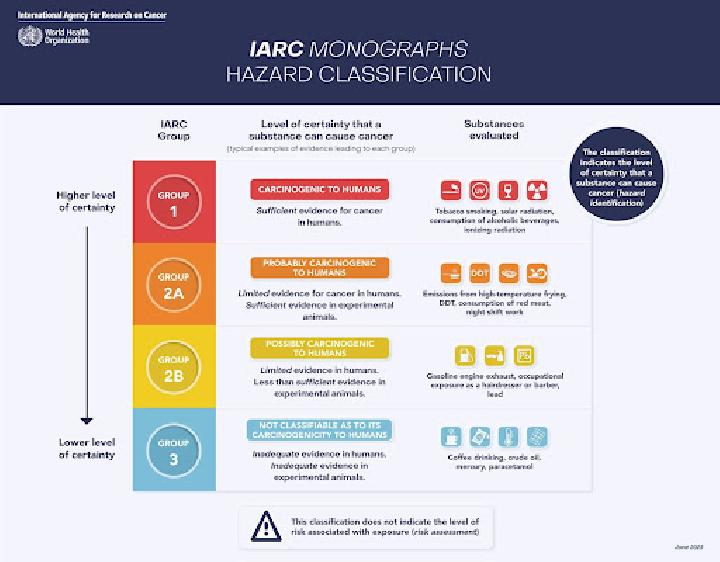
According to Rusdan, smoking is the most dominant cause of cancer, at around 70 percent, while inherited gene mutations only account for 10-15 percent. "There's no cancer cause that can beat smoking," Rusdan said in a text message to Tempo on Tuesday, February 3, 2026.
Can household items cause cancer?
Dr. Asdi Wihandono, an oncology surgeon at the Faculty of Medicine, Airlangga University (FK Unair), explained some of these claims:
Plastic food containers and plastic cutting boards, made from certain types of plastic, can release substances such as the synthetic chemical compound Bisphenol A (BPA) or phthalates. However, according to him, not all plastics contain these substances. Furthermore, for plastics containing synthetic chemicals, daily exposure is generally very low. So far, the link between exposure to synthetic chemicals and cancer in humans has not been confirmed.
Non-stick cookware (PTFE/Teflon), according to Asdi, is safe to use as long as it is not heated excessively above 260°C. The risk of exposure can arise if the coating is damaged or peeled and under extreme heating, not during normal use.
Canned foods containing BPA, Ardi said, generally have low exposure rates. The link to cancer in humans is considered inconclusive.
Some air fresheners, detergents, and aromatherapy candles contain volatile organic compounds that can irritate the respiratory tract. However, according to Asdi, irritation does not always cause cancer. Evidence of direct carcinogenicity in household exposure is considered very weak.
Mosquito repellent containing certain insecticides is indeed toxic when exposed to high doses, such as in agricultural workers. However, if the recommended household dose is used, it has not been proven to cause cancer.
How to avoid cancer?
Asdi Wihandono recommends avoiding these three triggers to prevent cancer. Preventive measures include quitting smoking, limiting alcohol consumption, maintaining an ideal body weight, adopting a balanced diet, regular physical activity, and receiving HPV and hepatitis vaccinations.
The public can also undergo early detection to monitor their health. Common methods for detecting uterine cancer include a Pap smear or HPV test, while for breast cancer, mammography is used.
Currently, cancer treatment is rapidly advancing through surgery, chemotherapy, radiotherapy, targeted therapy, and immunotherapy. "Many cancer patients have achieved long and quality lives," said Asdi.
Similarly, Rusdan emphasized that the public should prioritize avoiding smoking over worrying about other factors that pose a lower risk of cancer.
CONCLUSION
Tempo's verification concluded that the narrative claiming that common household items, such as plastic containers and cutting boards, non-stick cookware, air fresheners and cleaners, and mosquito repellents can cause cancer is a misleading claim.
TEMPO FACT-CHECK TEAM
**Do you have information or claims that you want to have fact-checked? Contact our ChatBot. You can also send criticism, objections, or feedback for this Fact-Checking article via email to [email protected].