January 30, 2026 | 04:16 pm
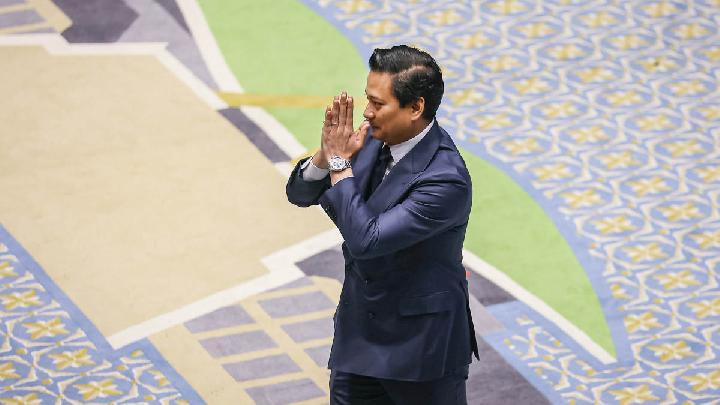
TEMPO.CO, Jakarta - The nomination of Thomas Djiwandono for Deputy Governor of Bank Indonesia has sparked criticism. It undermines investor confidence.
THE nomination of Thomas Djiwandono, President Prabowo Subianto’s nephew, for Deputy Governor of Bank Indonesia (BI) could damage the independence of the central bank. This move could undermine investors’ trust and disrupt national economic stability.
The government has put forward the names of Thomas along with Dicky Kartikoyono and Solikin M. Juhro, two career Bank Indonesia officials, as prospective deputy governors to the House of Representatives to undergo fit-and-proper tests. Thomas, currently serving as Deputy Finance Minister, is widely rumored to be the frontrunner to replace Juda Agung, who recently resigned. Juda, in turn, is reportedly slated to take over the Deputy Finance Minister post.
This swap of strategic positions is rife with conflicts of interest and adds to the long list of government intervention in the central bank. It is an inseparable part of Prabowo’s endeavor to take control of both the fiscal and monetary authorities. However, in the history of sound Indonesian political economics, there has always been a clear line between monetary authority and fiscal political interests.
The nomination of Thomas has gone ahead as if it were “organic,” despite having the potential to be in violation of a number of laws. According to Law No. 23/1999 on Bank Indonesia, his close family relationship with Prabowo could lead to conflicts of interest if he is selected.
Furthermore, Law No. 4/2023 on the Development and Strengthening of the Financial Sector (P2SK) mandates that candidates for the BI Board of Governors possess expertise and experience relevant to their duties and must not be active members or officials of a political party at the time of their nomination. In this regard, it is not just Thomas’ experience that is being scrutinized, but also his resignation from the Gerindra Party was only made public recently.
The market responded negatively to Thomas' nomination. On January 21, 2026, when almost all currencies were strengthening against the United States dollar, the rupiah slumped to 16,977. On the stock exchange, foreign investors responded by selling off stocks worth Rp3.05 trillion in the last week.
This decision also shows that Prabowo and his economic team are still uncertain about the roots of the economic problems and view Bank Indonesia as an obstacle. However, the main problem is that state revenues are falling because of an increase in spending, which has led to the deficit soaring.
Their solution is for the government to take out loans to close the widening budget deficit as a result of not reducing spending. The government has chosen to monetize debt by printing new currency to buy its own government bonds. The aim is that state expenditure can be financed without debt.
Intervention in Bank Indonesia actually began during the era of President Joko Widodo through the burden-sharing policy that involved sharing the financing burden through the central bank buying government securities. This continued with Finance Minister Purbaya Yudhi Sadewa’s “coercive endeavor” obliging Bank Indonesia to deposit surpluses from managing portfolios or assets before the auditing process had been completed.
The problem is that targeting Bank Indonesia’s surplus as an alternative source of state revenues means encouraging the central bank to seek profits. This is dangerous because the main task of Bank Indonesia is to maintain the stability of the rupiah exchange rate, not to be oriented towards profits. If the central bank were required to make a profit, it would not carry out market operations, which could cause significant problems.
If Bank Indonesia comes under the control of the government, Prabowo will repeat the dark history of the New Order era with its Monetary Board that gave rise to a number of major economic problems and ended with the 1998 crisis.
Bank Indonesia Governor Predicts Rupiah Will Continue to Strengthen
2 hari lalu
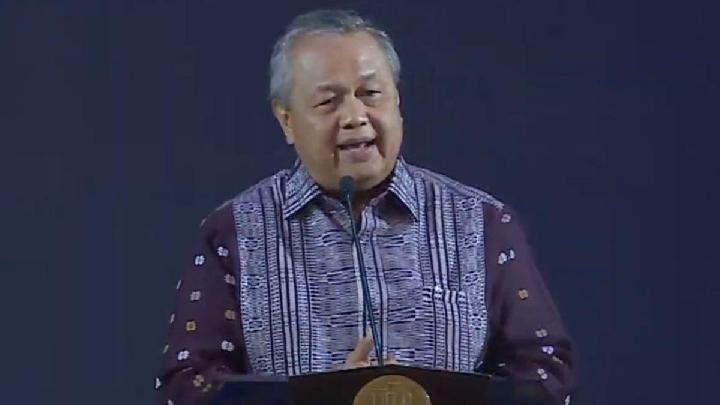
Bank Indonesia Governor Perry Warjiyo said the rupiah weakened due to foreign capital outflows amid heightened global market uncertainty.
Thomas Djiwandono Elected as Bank Indonesia Deputy Governor
3 hari lalu
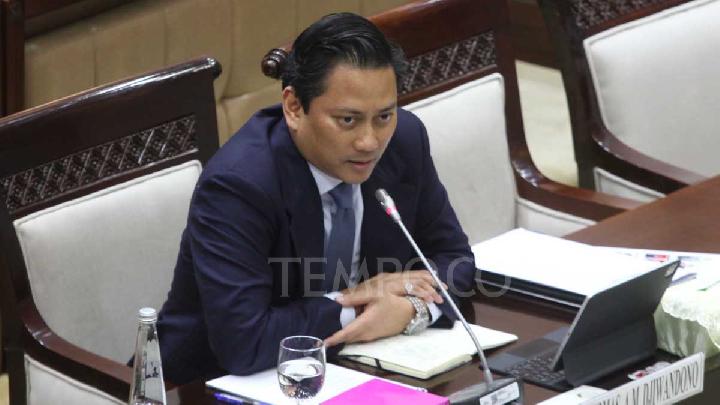
The DPR has officially approved Thomas Djiwandono as the Deputy Governor of Bank Indonesia for 2026-2031.
Purbaya Attributes Rupiah Gain to More Than Thomas Djiwandono
3 hari lalu
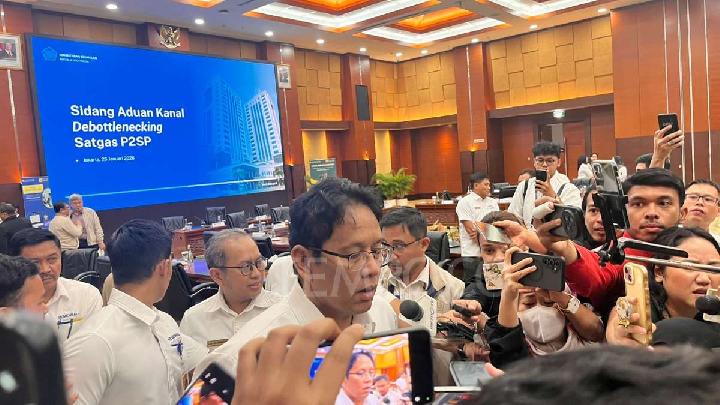
The Rupiah closed 38 points higher at Rp16,782 per United States Dollar in yesterday's afternoon trading, January 26, 2026.
Prabowo's Nephew Steps Closer to Secure Bank Indonesia Key Role
3 hari lalu
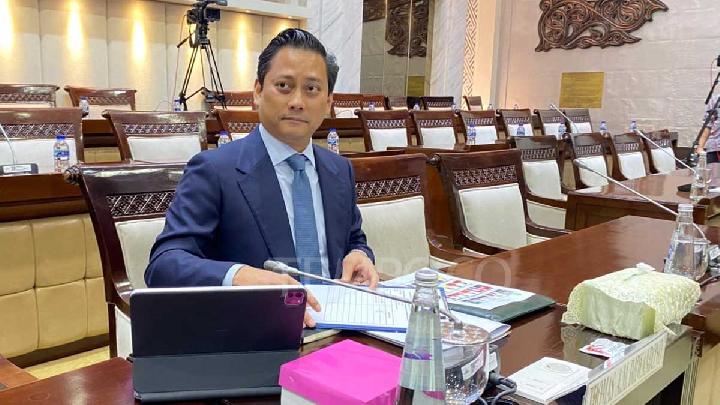
Thomas Djiwandono competed against two other candidates. The DPR Commission XI agreed to pick Prabowo's nephew as new central bank deputy governor.
Bank Indonesia Records Rp5.96 Billion in Foreign Outflow
6 hari lalu
Bank Indonesia (BI) recorded a total of Rp5.96 trillion in foreign capital outflow from the domestic financial market this week.
Rupiah Weakened Before BI Deputy Nomination, Purbaya Says
7 hari lalu
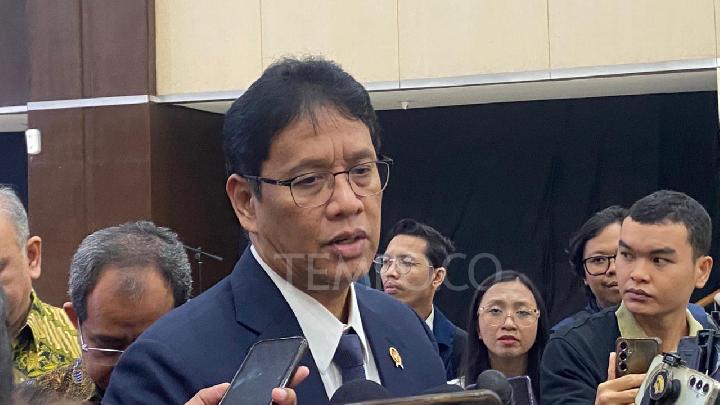
Purbaya's statement also dismissed assumptions that the nomination of Thomas, President Prabowo's nephew, is a catalyst for Rupiah's decline.
DPR Lawmaker Hopes BI Keeps Rupiah at Moderate Level
8 hari lalu
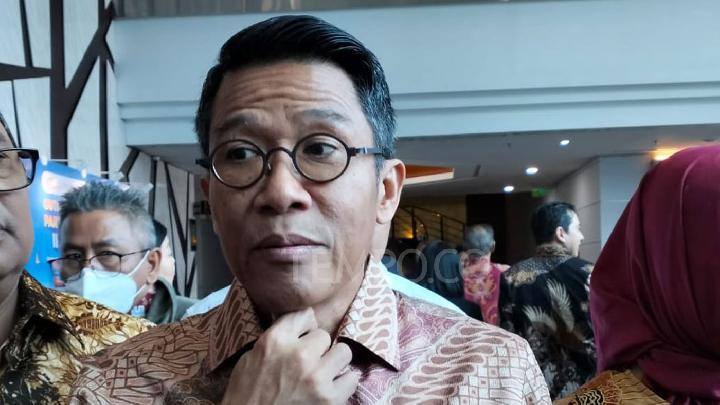
The Indonesian House of Representatives (DPR) hopes that Bank Indonesia (BI) can maintain the rupiah exchange rate at a moderate level.
Bank Indonesia Governor Outlines Measures to Strengthen Rupiah
8 hari lalu
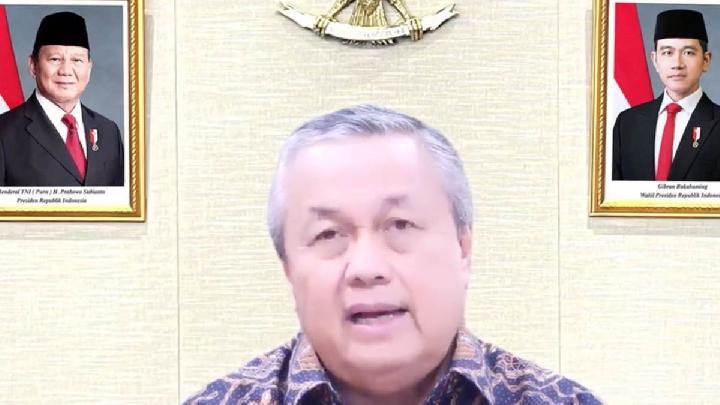
Bank Indonesia (BI) Governor Perry Warjiyo outlined the central bank's steps to strengthen the rupiah exchange rate.
IHSG Slides 1.24%, Industrial Sector Hit Hardest
8 hari lalu
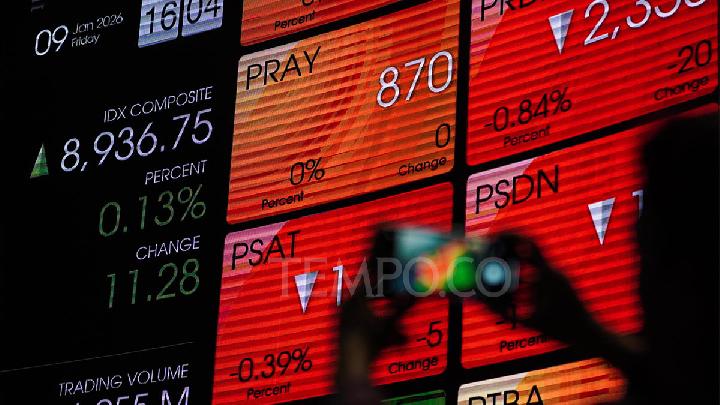
The IHSG's plunge this afternoon was a continuation of the weakening that occurred this morning.
Bank Indonesia Chief Explains Factors Behind Rupiah's Weakening
8 hari lalu

The rupiah weakened due to market perceptions of the nomination process for the Deputy Governor of Bank Indonesia.