TEMPO.CO, Jakarta – Indonesia has deactivated the health insurance coverage of around 11 million recipients of government-subsidized BPJS Health contributions, known as PBI BPJS, as of February 1, 2026, triggering public concern and political debate.
The sudden update to beneficiary data has had immediate consequences, particularly for patients with chronic illnesses.
The Indonesian Community of Dialysis Patients reported that at least 200 kidney failure patients were unable to proceed with treatment after their BPJS membership was found inactive during hospital registration.
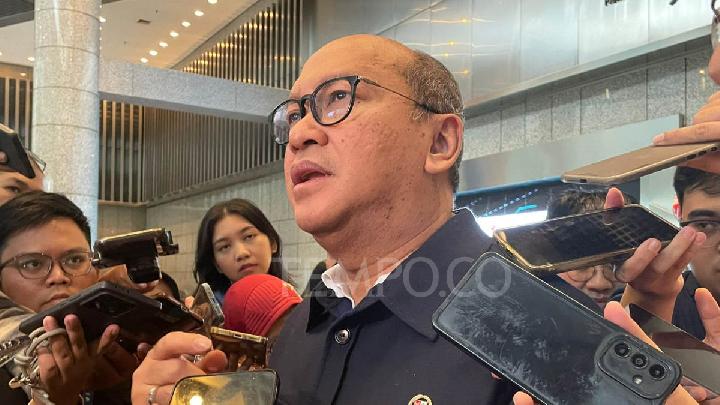
BPJS Health Director Ali Ghufron Mukti said the deactivation resulted from an update to citizens’ economic status data under the Single Data for National Economic Status (DTSEN), which is managed by the Ministry of Social Affairs.
Social Affairs Minister Saifullah Yusuf said the restructuring was necessary after the government found widespread inaccuracies in the distribution of social assistance and subsidies.
Citing National Economic Council data, he said 45 percent of beneficiaries under the Family Hope Program and subsidized staple food assistance were misdirected.
The issue also affected PBI BPJS recipients. According to Yusuf, 54 million people in the lowest income brackets, or deciles one to five, have not received assistance, while 15 million people in higher-income deciles were still registered as beneficiaries.
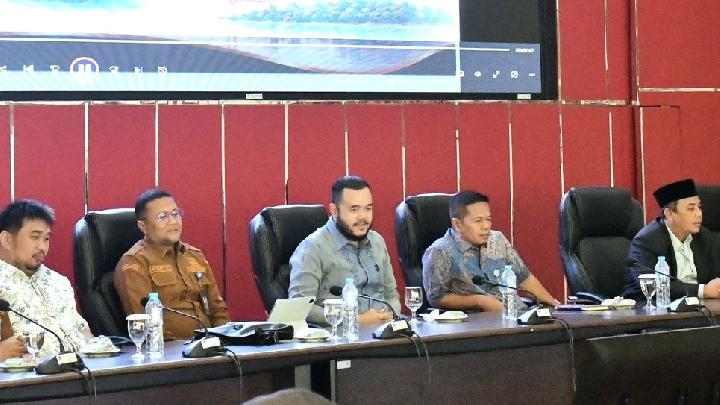
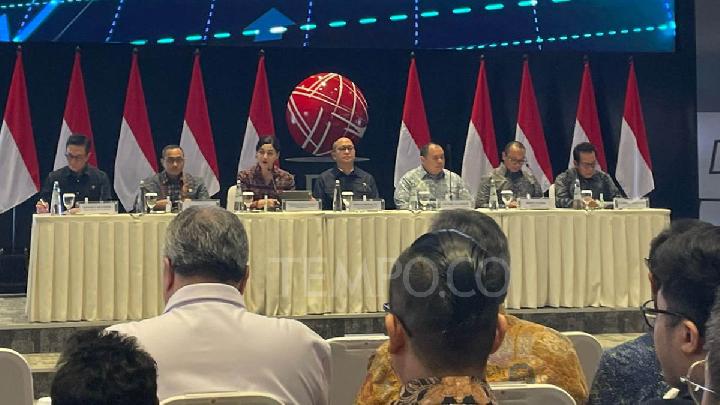
“As a result, those who are relatively more capable are protected, while the most vulnerable are left waiting,” he said during a meeting with House of Representatives (DPR) leaders at the Parliament complex in Jakarta on Monday, February 9, 2026.
Below is a summary of the latest developments surrounding the PBI BPJS controversy.
Inactive PBI BPJS Members to Receive Services for Three Months
Following a coordination meeting between the government and the DPR, authorities agreed that the 11 million deactivated PBI BPJS recipients would continue to receive free healthcare services for the next three months.
During this transitional period, the government will fully cover healthcare costs, even if participants’ membership status has not yet been restored.
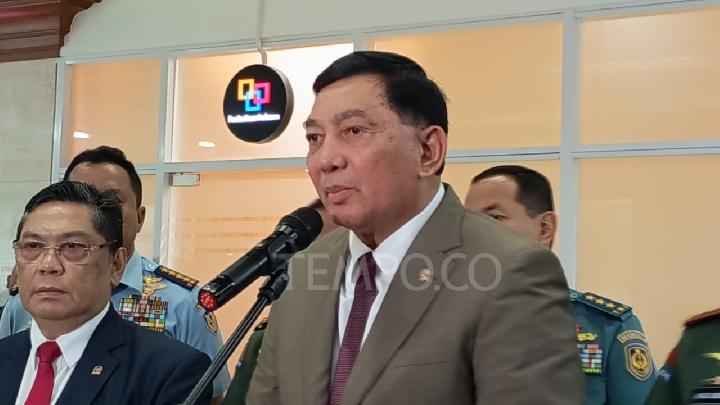
“For the next three months, all health services will continue, and their PBI contributions will be paid by the government,” Deputy Speaker of the DPR Sufmi Dasco Ahmad said after the meeting.
He explained that the grace period allows the government to revalidate beneficiary data and gives affected individuals time to adjust or reapply.
Government Urges Eligible Beneficiaries to Reactivate Coverage
Minister Saifullah Yusuf urged eligible recipients to immediately apply for reactivation of their PBI BPJS status. Applications can be submitted through both formal and non-formal channels.
Formally, beneficiaries can file objections via the Social Assistance Check application. Alternatively, applications can be submitted through local social affairs offices or neighborhood and village officials, up to the provincial level.
Applicants will be verified to determine whether they fall within income deciles one to five, as defined under the DTSEN framework. The verification results will be reported to Statistics Indonesia for data updates.
Those deemed eligible will have their BPJS membership reactivated, while others will be required to switch to self-funded BPJS coverage within three months.
Ministry Asks Regional Governments to Share the Financial Burden
Saifullah Yusuf also called on regional governments to help cover healthcare costs for deactivated PBI BPJS recipients. He said the central government already allocates a significant budget for subsidized health insurance, totaling Rp48.7 trillion annually.
He encouraged provincial, city, and regency administrations to step in where possible to assist affected residents.
To speed up reactivation, the Ministry of Social Affairs plans to expand reactivation services to villages and neighborhoods, bringing access closer to communities.
“Previously, reactivation was only available at social affairs offices, which many people said were too far,” Yusuf said. “BPJS Health, the Ministry of Social Affairs, and the Ministry of Health are now coordinating to accelerate the process.”
Automatic Reactivation for Patients With Chronic Illnesses
The government has also announced the automatic reactivation of BPJS coverage for 106,000 PBI recipients suffering from chronic illnesses.
According to Saifullah Yusuf, patients with life-threatening conditions requiring long-term treatment, such as heart disease, cancer, stroke, and kidney failure, will have their coverage reinstated directly through BPJS Health at hospitals.
“This is to ensure there is no disruption in healthcare services,” he said.
Health Minister Budi Gunadi Sadikin has requested that coverage be restored for at least 120,000 patients with catastrophic illnesses, warning that delays in treatment could be fatal.
“If treatment stops, it can result in death,” Budi said during the DPR meeting.
Based on Health Ministry data, the affected patients include 12,262 people with kidney failure, 16,804 with cancer, 63,119 with heart disease, 26,224 with stroke, 1,276 with liver cirrhosis, 673 with thalassemia, 114 with hemophilia, and others with serious conditions.
Read: Minister: 41 Percent of Indonesia's Health Insurance Aid Misses Target
Click here to get the latest news updates from Tempo on Google News