February 10, 2026 | 10:23 am
MSCI discovers stock manipulation within the Indonesian Stock Exchange. Indonesia risks becoming a pariah.
A SERIES of blows from “foreign” forces over the last nine days has exposed the weakness of the Indonesian economy. Without changes to governance and policy, it seems that one or two more “blows” will be enough to bring our economy to its knees.
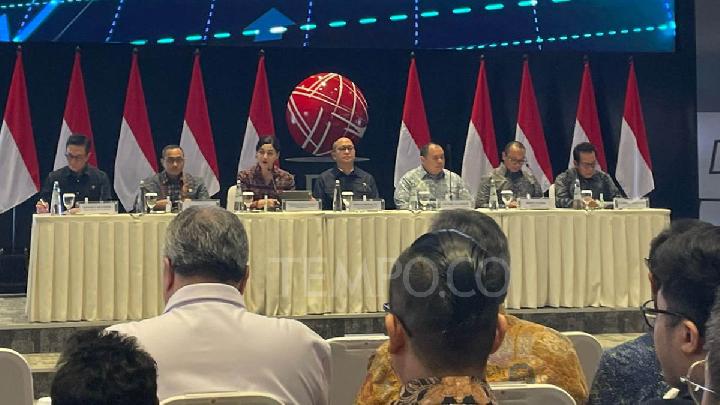
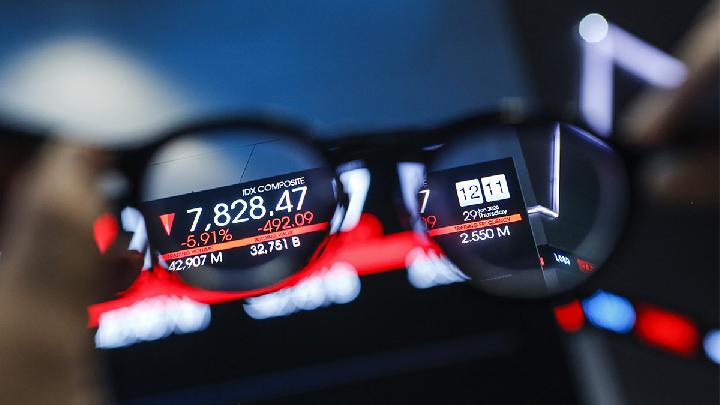
The Jakarta Composite Index (JCI), which reached 9,000 in the middle of January 2026, slumped below 8,000. This was the result of influential index provider Morgan Stanley Capital International (MSCI) highlighting stock ownership transparency and coordinated trading practices, also known as market manipulation.
MSCI threatened to downgrade the Indonesian Stock Exchange (IDX) from “emerging” to “frontier” market status if there is no improvement by May this year. A reclassification to “frontier” would place our capital market on par with African nations, the Philippines, or Bangladesh, which are considered less investment-grade.
Following the blow from MSCI on January 27, two United States investment banks, Goldman Sachs and UBS, along with Japanese brokerage group Nomura, downgraded Indonesian equities. They fear the IDX will fail to meet MSCI’s demands, potentially triggering a massive exodus of foreign capital.
Their skepticism is well-founded. In December 2025, the IDX failed to provide data on free-float shares and failed to disclose the beneficial ownership of listed companies as requested by MSCI.
Credit rating agency Moody’s issued another grim assessment. Citing increasingly unpredictable government policy, Moody’s revised Indonesia’s economic outlook from stable to negative. Moody’s highlighted fiscal risks arising from increased social activities spending at a time of sluggish state revenue.
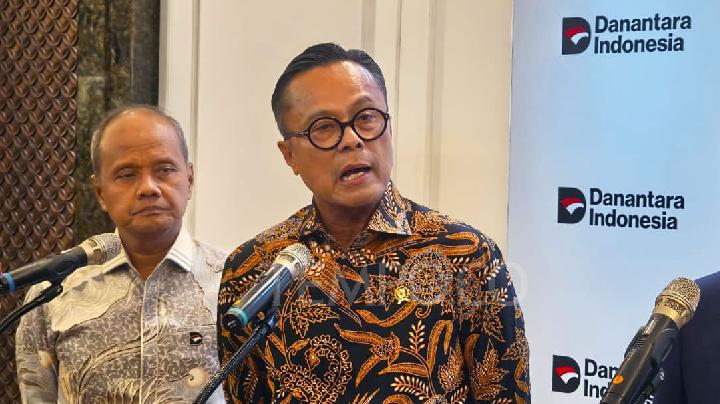
Fiscal pressure is mounting due to the expansion of President Prabowo Subianto’s favorite programs, including free nutritious meals and public housing. Elsewhere, Moody’s highlighted the investment management agency, Danantara, citing its lack of transparency in governance and operations.
There are also concerns regarding the budget deficit breaching the 3 percent limit, as well as potential changes to Bank Indonesia’s mandate and governance—a euphemism for the collapse of central bank independence—and policy shifts in the natural resources sector. All of these points underscore the heightened policy uncertainty in the Prabowo era.
While Moody’s has not yet downgraded Indonesia’s rating, such a demotion appears to be only a matter of time. Poor fiscal management, a perennially pressured rupiah, massive capital outflows, and the deteriorating health of state-owned enterprises—a byproduct of Danantara’s governance—are serving as the entry points for Moody’s to drop the sledgehammer.
These “foreign” warnings should serve as a wake-up call for Prabowo that his economic policies are flawed. Policy errors must be addressed by changing the policies themselves. In other words, Prabowo cannot turn a blind eye to proposals for reform. To feign an allergy toward international ratings betrays a lack of confidence and deep-seated insecurity, thinly veiled in a misguided and narrow sense of nationalism.
Battered by “foreign” assessments, Prabowo is unable to manage the “domestic” conflict among his subordinates vying for influence. Their attitude of keeping the boss happy reflects a survivalist mentality of mutual backstabbing. The power struggle between Deputy Speaker of the House of Representatives—and Gerindra Party Executive Chair—Sufmi Dasco Ahmad and Defense Minister Sjafrie Sjamsoeddin is the latest example of internal friction exacerbating the stock market collapse following the MSCI warning.
Reform must originate from Prabowo himself. He should practice self-reflection by not forcing through high-cost programs simply to court popularity. Power plays with budgetary consequences must be halted. The project to replace zinc roofs with tiles—estimated to cost Rp1 trillion—is merely an embodiment of the President’s arrogance.
The future of the Indonesian economy must not be gambled on such childish posturing.
Impact of Moody's Downgrade on Indonesia's Rating Outlook
3 hari lalu
Moody's has downgraded Indonesia's debt outlook to negative over fiscal deficit concerns. Will it impact Indonesia's economy?
Indonesia Eyes WFA Policy Ahead of Eid al-Fitr 2026
3 hari lalu
The Indonesian government plans to implement a Work From Anywhere (WFA) policy ahead of Eid al-Fitr 2026.
OJK Cites Moody's Rating as Proof of Indonesia's Solid Economic Fundamentals
3 hari lalu
The OJK will continue to strengthen its policy synergy with the government and other relevant authorities to maintain financial system stability.
Indonesia Has Secured Several Major International Economic Agreements
6 hari lalu
Minister Airlangga also highlighted President Prabowo Subianto's active role in geopolitics, which he said has contributed to regional stability.
How the Alcohol Beverage Industry Supports Indonesia's Economy
10 hari lalu

The alcohol beverage industry contributes to state revenue through excise taxes and foreign exchange from exports. What is this contribution?
Gold Breaks $5,000: What Fuels the Rally, Where Will It End?
13 hari lalu

Gold continues to hit record highs, having already had a bumper run in 2025.
Dialogue Must Be the New Currency for the Future Economy
26 hari lalu
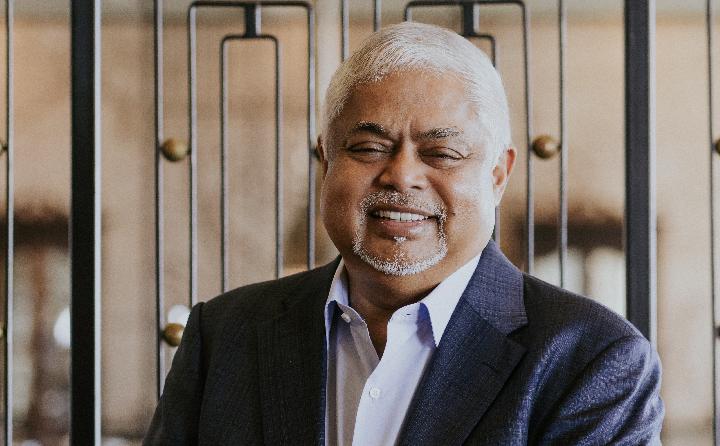
For decades, global economic leadership has been defined by efficiency, productivity, & unilateral action. Today, that model is showing its limitation
IBC: Indonesia's Economic Growth Remains Stuck at 5%
26 hari lalu
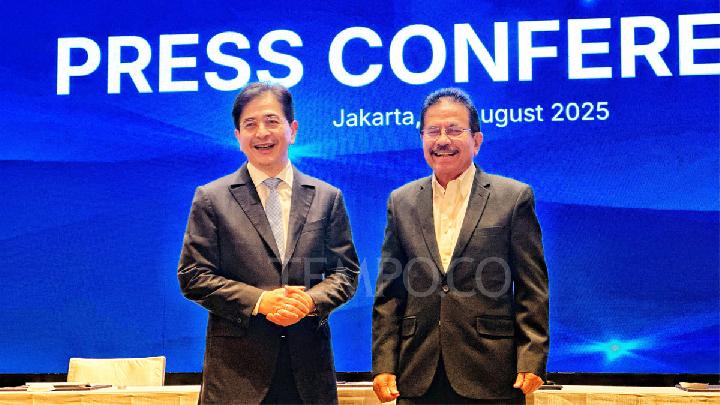
Indonesian Business Council (IBC) projects that the economic growth of Indonesia will stuck at 5% range in 2026.
Indonesia Sees E-Sports as New Driver of Village Economy
27 hari lalu
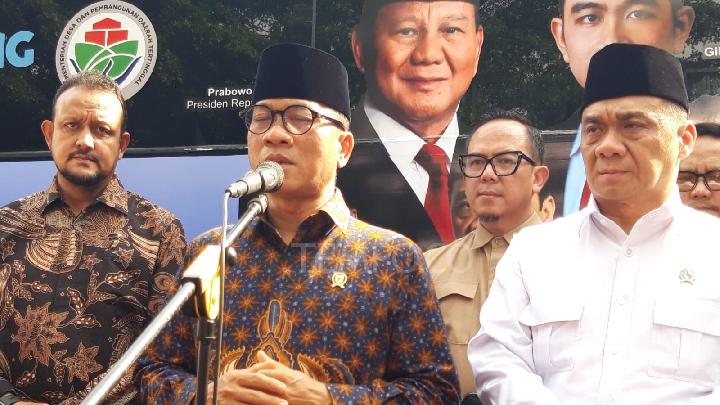
The Indonesian Villages Ministry believes that e-sports has significant potential to be developed as a new source of economic growth in villages.
Researcher Outlines Impacts of US-Venezuela Conflict on Indonesia's Economy
33 hari lalu
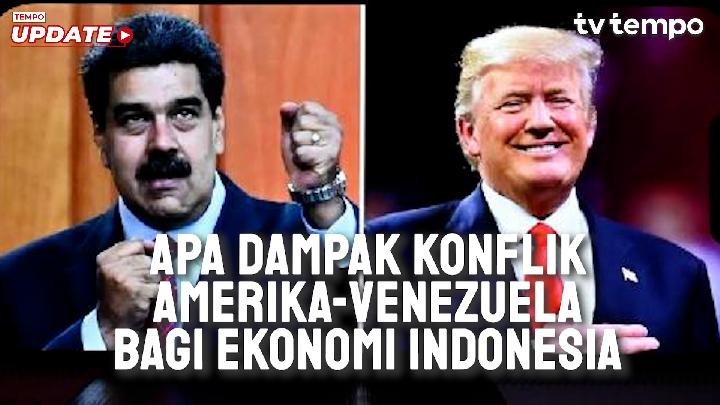
US attacks on Venezuela currently pose limited impacts on Indonesia's financial market and commodities sector, said CSIS senior researcher.