TEMPO.CO, Jakarta - Indonesia’s Sovereign Wealth Fund Danantara has launched the groundbreaking of six downstream industrial projects across the country, marking the first phase of a broader national downstreaming strategy.
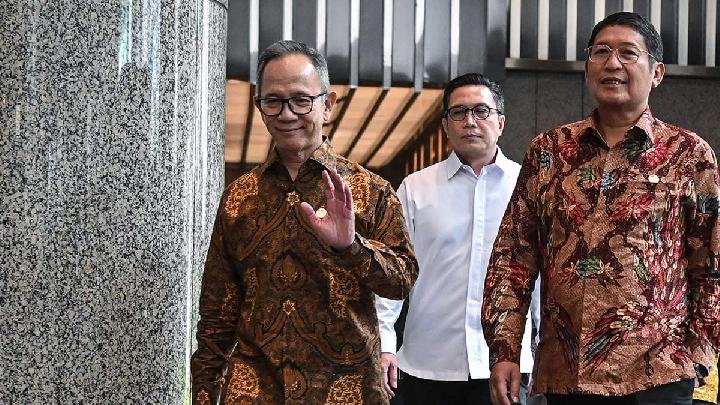
Danantara Chief Executive Officer Rosan Perkasa Roeslani said the six projects span multiple regions and industrial sectors, with a combined investment value of around US$7 billion, or approximately Rp117 trillion.
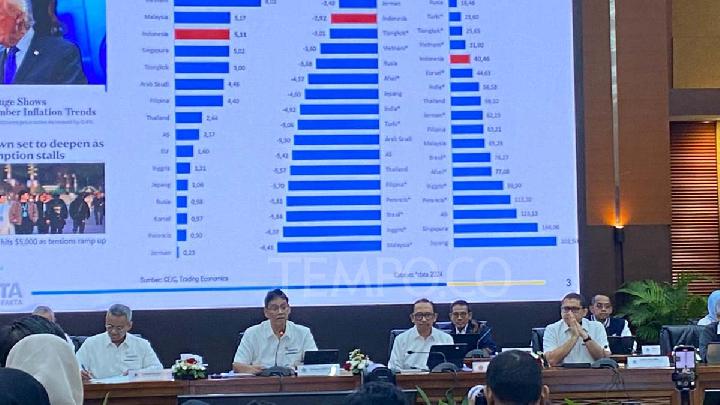
“These six projects represent investments of about US$7 billion,” Rosan said at the groundbreaking ceremony held at Danantara Tower in Jakarta on Friday, February 6, 2026.
Rosan explained that the projects are part of Phase I of Danantara’s downstreaming program, which includes a total of 18 projects scheduled for development in the near future.
Downstreaming, which adds value to raw materials through domestic processing, has been designated as a priority program for the sovereign wealth fund.
All Phase I projects are currently financed directly by Danantara, though Rosan noted that future phases may involve participation from other investors.
The projects are aimed at strengthening Indonesia’s food and energy self-sufficiency. The six Phase I projects are as follows:
Bauxite to Alumina and Aluminium Downstreaming
This project will be developed in Mempawah Regency, West Kalimantan, through the construction of new smelter facilities. It involves state-owned mining companies PT Indonesia Asahan Aluminium (Inalum), PT Antam Tbk, and PT Bukit Asam Tbk.
The smelter will be integrated with the Smelter Grade Alumina Refinery (SGAR) Phase I, with an investment of Rp40.6 trillion. It is expected to produce 600,000 metric tons of aluminum annually and employ 1,370 workers.
SGAR Phase II will later add a capacity of 1 million tons per year, raising domestic alumina production to 2 million tons annually and absorbing around 6 million tons of bauxite.
Bioethanol Plant
Located in Glenmore, Banyuwangi Regency, East Java, this project is a collaboration between PT Perkebunan Nusantara (PTPN) and state energy firm PT Pertamina (Persero). The plant is designed to produce up to 100 kiloliters of bioethanol per day.
The bioethanol will be produced from sugarcane sourced from company-owned plantations and local farmers, while utilizing assets from PT Energi Agro Nusantara (PT Enero), a PTPN subsidiary.
The project is expected to reduce fuel imports by about US$13.9 million annually and cut emissions by 66,000 tons of carbon dioxide equivalent per year. Currently, ethanol blending is applied only to Pertamax Green 95 fuel sold on Java.
Bio-refinery Project
Developed by Pertamina in Cilacap, Central Java, the bio-refinery will process up to 6,000 barrels of used cooking oil per day. The facility is currently producing 27 kiloliters of Sustainable Aviation Fuel (SAF) per day, with output projected to rise to 887 kiloliters per day by 2029.
The project is expected to reduce aviation fuel imports, support Indonesia’s SAF roadmap, cut emissions by up to 600,000 tons of carbon dioxide equivalent annually, add around Rp199 trillion to gross domestic product per year, and indirectly create up to 5,900 jobs.
It prioritizes a 30 percent domestic component level and is projected to benefit more than 2,900 families.
Poultry Farming
This poultry downstreaming project is being developed by state-owned food holding company PT Rajawali Nusantara Indonesia (ID Food). It aims to employ up to 1.46 million workers and produce 1.5 million tons of chicken meat and 1 million tons of eggs annually.
The project is projected to increase poultry farmers’ gross income by up to Rp81.5 trillion per year and support the government’s Free Nutritious Meal program.
Groundbreaking ceremonies are being held at six initial locations: Malang, North Gorontalo, South Lampung, Bone Regency, Paser Regency, and Sumbawa Regency. These sites form part of a planned network of 30 poultry downstreaming locations nationwide.
Industrial Raw Material Salt Plant
A Rp2 trillion salt processing plant is being developed in Pangarengan Village, Sampang Regency, East Java. With a production capacity of 200,000 tons per year, the facility will employ 200 workers.
The project is being implemented through a joint operation between PT Garam (Persero), PT Putra Arga Binangun, and China Chemical Engineering Indonesia.
Salt Plant Using MVR Technology
Another salt processing facility, utilizing Mechanical Vapor Recompression (MVR) technology, is being built in Manyar, Gresik, East Java, with an investment of Rp1 trillion.
The plant will produce 100,000 tons per year and employ 150 workers. It is being developed by PT Garam in partnership with PT Unilever Indonesia Tbk.
In addition, Danantara is fully financing the development of a processed salt plant in Segoro Madu 2, Gresik, with an investment of Rp112 billion and employment for 200 workers.
Combined, the three salt-related projects led by PT Garam are expected to increase national salt production capacity by 380,000 tons per year.
Read: Danantara: MIND ID to Operate US$3 Billion Bauxite Downstream Project
Click here to get the latest news updates from Tempo on Google News