August 26, 2026 | 08:37 am

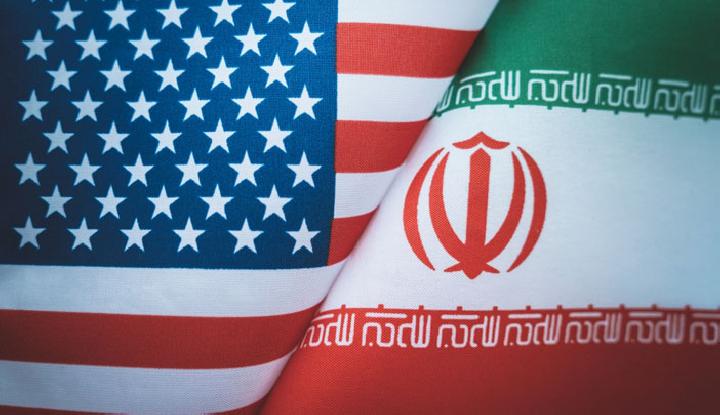
TEMPO.CO, Jakarta - US Treasury Secretary Scott Bessent has warned countries and entities trading with Iran that Washington could impose additional sanctions, expanding economic pressure on Tehran without immediately announcing sweeping measures against its biggest trading partners.
Bessent said Monday that the United States was expanding secondary sanctions targeting five sectors of Iran’s economy: digital assets, technology, gold, aviation and shipping, according to the Financial Times.
He said countries would be given a “defined timeline” to end trade with Iran, while entities that help Tehran launder money or evade sanctions could be cut off from the US financial system.
The announcement fell short of the sweeping action Bessent had previously signaled. In an article published in the Financial Times on Sunday, he described the planned measures as an “economic D-Day” and the “single greatest financial offensive ever marshalled against an adversary.”
On Monday, however, Bessent said Washington was giving Iran's trading partners an opportunity to change their behavior.
“We are giving everyone the opportunity to remedy bad behaviour. Why would I want to blow up the global financial system?” Bessent told reporters, as reported by the Financial Times.
He warned that the United States could act unilaterally if countries failed to comply with Washington's demands.
“If they do not take action, we will do so unilaterally through Treasury authorities. We do not have infinite patience here,” Bessent said.
The measures could affect countries including China, the United Arab Emirates, Turkey and Iraq, which were among Iran's largest trading partners before the war.
Bessent said President Donald Trump was contacting world leaders directly to request that they stop dealing with the Iranian government. He claimed the administration was already seeing results from those efforts.
The latest warning comes nearly six months after Trump launched a war against Iran. Despite existing US and international sanctions, the conflict has reached a stalemate, with US air strikes and a naval blockade failing to topple Iran's government or force the full reopening of the Strait of Hormuz.
Efforts to reach a negotiated settlement have also collapsed, leaving the Trump administration under pressure to find a way out of the conflict as the war contributes to higher inflation in the United States.
Iranian officials dismissed the latest US threats. Iran's chief negotiator, Mohammad Bagher Ghalibaf, described them as “empty boasting” and said Washington was not in an economic position to further restrict Iran's relations with other countries.
Iran's Economy Minister Ali Madanizadeh similarly said the sanctions were nothing new and that Tehran was prepared for additional economic pressure.
The United States has already imposed sanctions on entities and individuals in China, India, Russia and Iran, including sales agents for Iranian airline Mahan Air. The Treasury Department has also sanctioned cryptocurrency exchanges and more than 100 vessels linked to Iran's so-called shadow fleet since the beginning of the year.
However, experts told the Financial Times that enforcing extensive sanctions remains difficult because new entities and trade routes can quickly emerge after others are targeted.
Iran has spent decades under US and Western sanctions and has developed alternative trading routes and methods to circumvent restrictions.
The conflict has further weakened Iran's economy, with high inflation and a sharply falling currency compounded by damage to steel and petrochemical facilities and a US naval blockade of Iranian ports.
Still, Iran analysts said greater economic pressure may not be enough to force Tehran to accept Trump's demands.
Ali Vaez of the International Crisis Group said the measures could instead function partly as psychological warfare designed to discourage countries from doing business with Iran. He also questioned whether Washington would be willing to risk a major confrontation with China to enforce the sanctions.
For now, Bessent's announcement leaves Iran's major trading partners facing the threat of further US action, while Washington has stopped short of imposing the sweeping sanctions that had been anticipated.
Read: Can New US Sanctions Cripple Iran's Shadow Economy?
Click here to get the latest news updates from Tempo on Google News
Can New US Sanctions Cripple Iran's Shadow Economy?
14 jam lalu
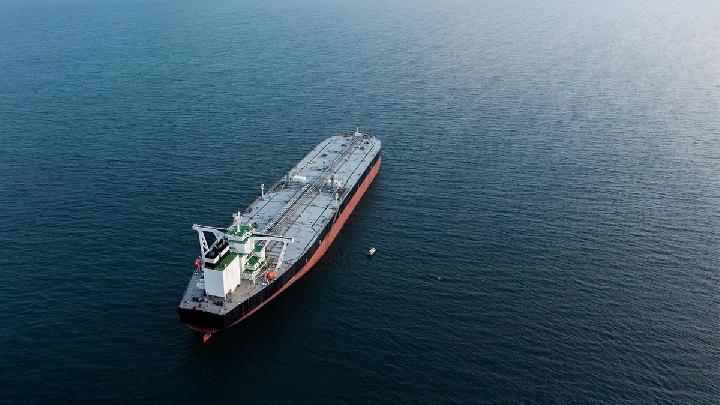
The U.S. is expanding sanctions on Iran's financial networks, targeting crypto, gold, aviation and shipping.
Iran's Rial Hits Record Low as US Prepares New Sanctions
16 jam lalu
Iran's currency plunged to a record low on the open market on Monday.
US Announces Bid to Further Isolate Iran Economically
1 hari lalu

US Treasury Secretary Scott Bessent has outlined what he called "unprecedented" moves to isolate Iran economically.
Iran Protest Victim: 'They Were Shooting to Kill'
1 hari lalu
DW spoke with several Iranians affected by a brutal crackdown at the hands of Tehran's security forces during the height of massive public protests.
US to Unveil New Iran Sanctions, Says War Entering 'Endgame'
1 hari lalu

In what Donald Trump called "economic D-Day," the US says the new economic sanctions will be "the single greatest financial offensive ever marshaled."
Today's Top 3 News: Challenges in Combating Kalimantan Wildfires
1 hari lalu

Here is the list of the top 3 news on Tempo English today.
In Iran, Contact with Foreigners Could Soon Be a Crime
2 hari lalu
A new bill would impose sweeping restrictions and penalties for ties with foreign institutions and contacts with foreign-based media.
Iran's Pezeshkian Says Tehran Is in a 'Full-Scale War'
2 hari lalu
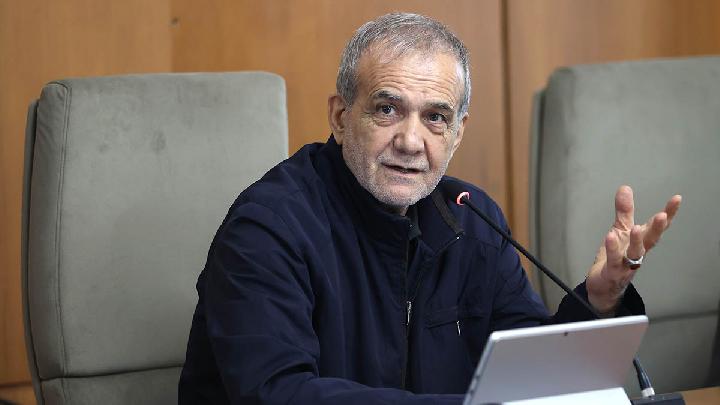
Iranian President Masoud Pezeshkian said the country is in a full-scale economic, military, and security war.
Today's Top 3 News: Fire Ravages Indonesia's Sade Tourism Village
2 hari lalu

Here is the list of the top 3 news on Tempo English today.
Iran Warns Countries Against Joining US 'Economic War'
3 hari lalu

Iran on Saturday warned countries against joining the United States' campaign to isolate the Iranian economy.