February 20, 2026 | 11:29 pm
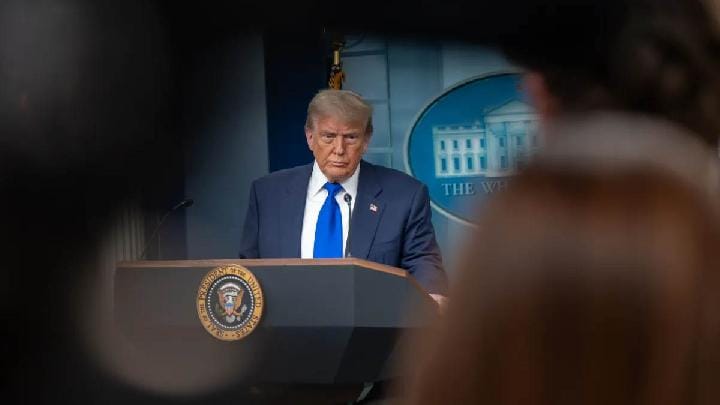
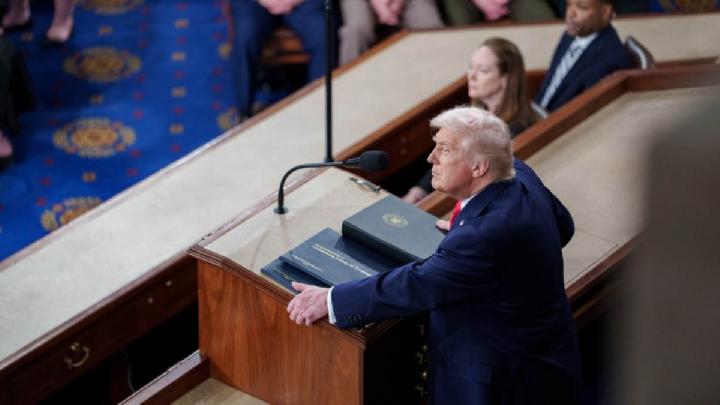
TEMPO.CO, Jakarta - In a political setback for President Donald Trump, the US Supreme Court has struck down most of his tariffs put in place over the last 13 months, saying they are unconstitutional.
Specifically, the court decided in a 6-3 vote that the president exceeded his authority by using the International Emergency Economic Powers Act (IEEPA) of 1977 to implement many of his tariffs on US trading partners.
What Is the Trump Administration Likely to Do Next?
In anticipation of the ruling, the US administration had made it clear it has been doing its homework for months. It is prepared to quickly implement new tariffs under other laws that allow the president to impose them.
Earlier this year, Jamieson Greer, the United States Trade Representative, said that similar tariffs could be reinstated almost immediately if they were struck down. To him, a decision by the Supreme Court to strike down the tariffs would be just a bump in the road, not a real roadblock.
"The reality is the president is going to have tariffs as part of his trade policy going forward," Greer told the New York Times in an interview earlier this year.
What Are the Government's Options?
Legal experts agree that there are a number of additional statutes the president could use to impose tariffs on certain products or trading partners without congressional backing.
Here is a list of the most likely candidates:
Section 122 of the Trade Act of 1974 allows the president to implement a tariff up to 15% for a maximum of 150 days at will. Congressional approval is only needed to continue after that period.
Other options require either investigations or hard rationale and are slower to implement.
Section 232 of the Trade Expansion Act of 1962 lets the president implement tariffs on national security grounds. These target specific sectors like steel, aluminum or lumber and need the support of a Commerce Department investigation. The president has successfully used these before.
Section 301 of the Trade Act of 1974 lets the president implement tariffs on countries that are violating international trade agreements that harm US businesses. There is no limit on the tariff amount or duration, but they must be justified and supported by lengthy investigations.
What About the Tariffs Already Collected?
Besides creating more uncertainty and new tariff workarounds, the Supreme Court ruling could also mean big refunds for the affected US importers.
When the court heard oral arguments at the start of November 2025, they were particularly interested to know if tariffs are really just taxes on Americans by driving up costs for consumers.
For 2025, US Customs and Border Protection, which is part of the Department of Homeland Security, collected $287 billion (€243 billion) in customs duties, taxes and fees. This is an increase of 192% compared to the previous year, according to calculations by the Federal Reserve Bank of Richmond.
This money includes customs duties, taxes and fees for tariffs already in place when Trump took power, plus the major "reciprocal" tariffs added since he took office.
Importers who paid these tariffs will be wondering how to get at least some of that money refunded. For those businesses, it will be a welcome reprieve, but with more tariffs likely on the way, it will not add much to their bottom line or planning security.
For individuals, reimbursement will be more complicated since refunds would go to the importers—usually a business—that paid the duties in the first place, not to consumers.
For the government, it would be a double blow: having to process all the returns will be a challenge, and the treasury will lose out on billions in revenue.
Why Did This Reach the Supreme Court?
Since the Trump administration started implementing its tariffs, hundreds of lawsuits have been filed trying to stop them. The case heard by the Supreme Court was brought by a group of businesses, including Learning Resources, Inc.
Over the past 13 months, Trump has imposed tariffs by decree on many countries only to pause them or negotiate lower rates. Among other things, he has pointed to trade imbalances and drug smuggling as reasons to justify his actions.
US-based businesses have complained about the extra costs of tariffs. Other critics have pointed out that many of the tariffs have little to do with trade deficits and more to do with making countries bend to American will.
Read: US Supreme Court Strikes Down Trump's Sweeping Tariffs
Click here to get the latest news updates from Tempo on Google News
US Supreme Court Strikes Down Trump's Sweeping Tariffs
2 jam lalu
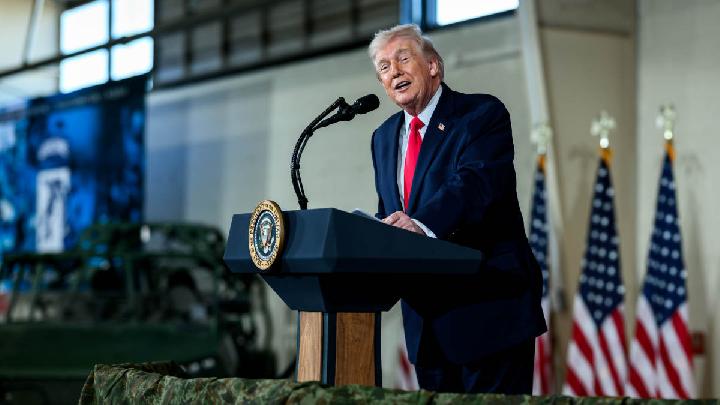
Justices at the US Supreme Court declared that Donald Trump does not have the right to unilaterally levy tariffs in a 6-3 decision.
List of Indonesia, US Obligations Under New Reciprocal Trade Deal
4 jam lalu
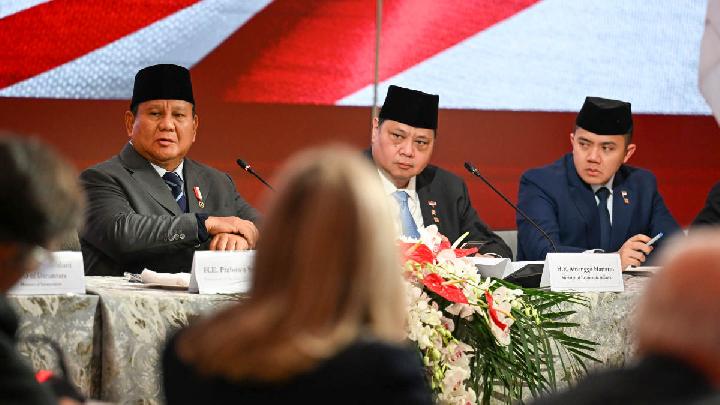
Under the ART document, the US demands that Indonesia fulfill at least 217 obligations, while the United States has six obligations.
Apindo Flags Sectors Vulnerable to Impact of Indonesia-US Tariffs
7 jam lalu

Apindo Chair Shinta Kamdani said Indonesia-U.S. tariffs have the potential to affect labor absorption.
US Demands Indonesia to Lift Critical Mineral Export Restrictions
8 jam lalu
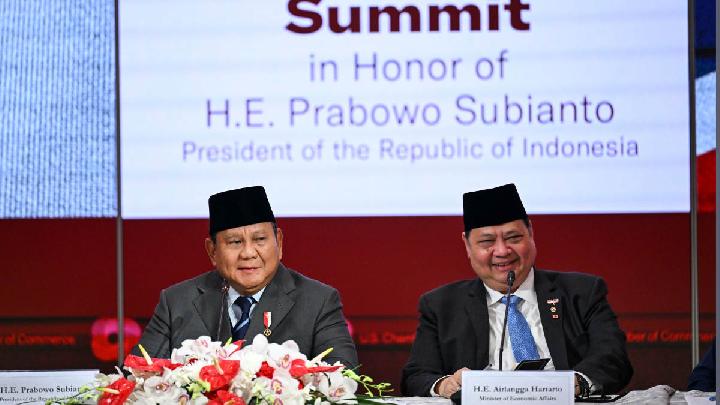
The removal of restrictions on the export of critical minerals is included in the Agreement on Reciprocal Trade between Indonesia and the U.S.
Indonesia's Zero-Tariff Textile Exports to the US Explained
9 jam lalu
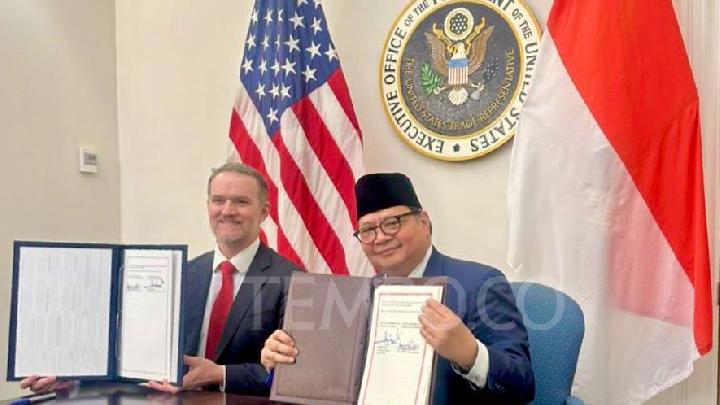
Minister Airlangga says the deal could benefit 4 million textile workers and up to 20 million Indonesians including their families.
Prabowo to Attend Trump's Board of Peace, Sign Tariff Deal Today
1 hari lalu
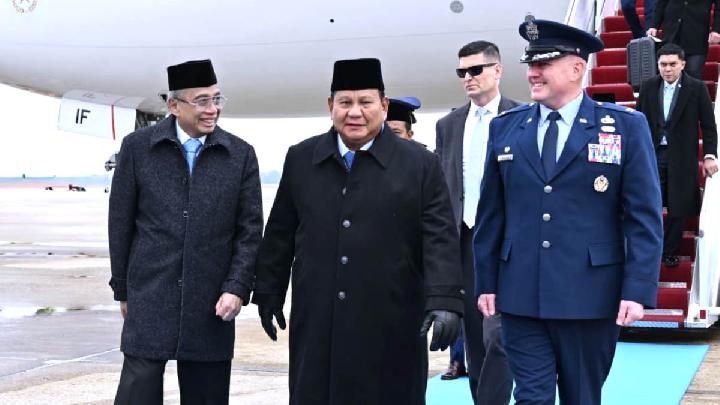
Indonesian President Prabowo Subianto will attend the Board of Peace Summit today, Thursday, February 19, 2026.
Prabowo-Trump Ties Hoped to Aid Indonesia's Trade Interests in the U.S.
2 hari lalu
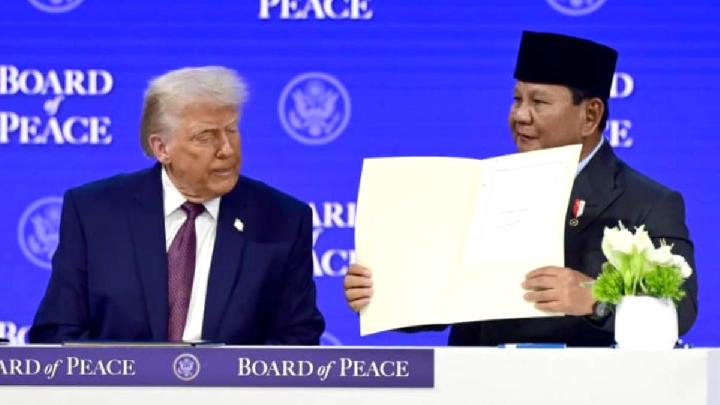
Prasetyo hopes that Prabowo's friendship with Trump could bring benefits for Indonesia as a nation.
What Are President Prabowo's Priorities During His U.S. Visit?
3 hari lalu
Prabowo will hold bilateral talks with U.S. President Donald Trump and attend the first High-Level Conference of the Board of Peace.
Here's the Indonesia-U.S. Trade Deal Set to Be Signed by Prabowo
3 hari lalu
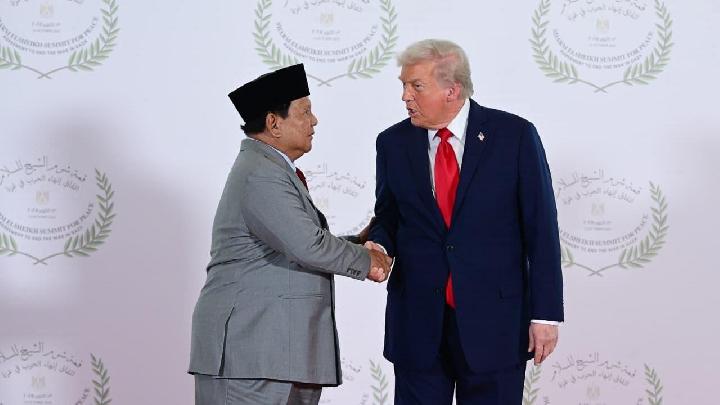
Prabowo left for the United States on February 16, 2026, and is set to attend the Board of Peace summit on February 19.
Prabowo to Sign Reciprocal Trade Pact with Trump in the US
4 hari lalu
Indonesian President Prabowo's visit to the US will also include the signing of the Agreement on Reciprocal Trade with President Donald Trump.