August 28, 2026 | 10:14 am

The selection of Supreme Court justice candidates was rushed. The House of Representatives became little more than a rubber stamp.
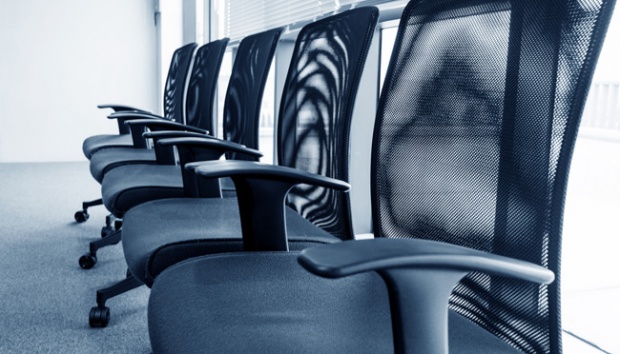
THE House of Representatives’ approval of 11 Supreme Court justice candidates and three ad hoc Supreme Court justices in August 2026 raises questions. Selecting candidates to fill the highest bastion of law should be like measuring medicine: with a precise dose, not simply with speed.
The Judicial Commission submitted 14 names to the House on Friday, August 7, 2026. They had passed administrative, competency, health and personality screenings, as well as open interviews. Yet the speed of the process has raised concerns. Track records, integrity, legal competence, potential conflicts of interest, and ethical violations cannot be assessed like choosing a lunch menu.
Those concerns grew after civil society groups questioned the qualifications of several candidates. One candidate was considered unable to adequately explain rechterlijk pardon, or judicial pardon, and the pre-trial mechanism under the new Criminal Procedure Code. Meanwhile, non-career candidates regarded as having integrity and being critical were eliminated. Career judge Albertina Ho, who was considered to have a strong reputation, also failed to make the cut.
The next problem lies in Senayan. The House’s authority to approve judicial candidates is supposed to serve as a mechanism of oversight and checks and balances. The problem is that the House has increasingly become a rubber stamp. Fit-and-proper tests have been reduced to a banquet of political interests.
The spotlight has fallen, among others, on Dhifla Wiyani, an advocate who was once a legislative candidate for the Golkar Party. She has said that she has left practical politics. Yet that history still deserves open scrutiny. The closer a candidate is to power, the clearer the evidence must be that he or she can maintain independence.
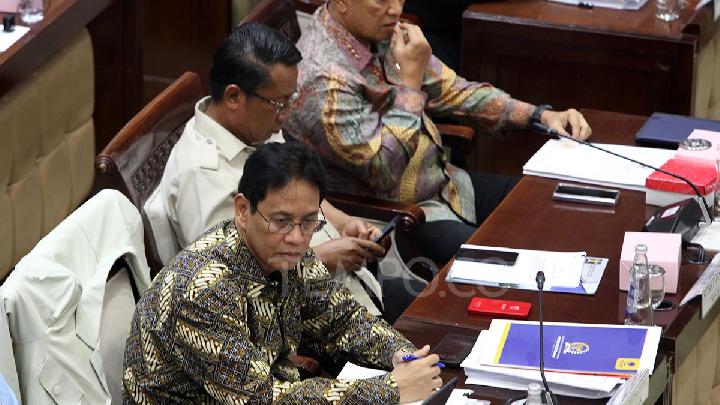
The House’s Commission III, which oversees legal affairs, held fit-and-proper tests for the 14 candidates on August 12-13, 2026, and approved all of them. All eight factions agreed. Five days later, the approval was brought before a plenary session, where all the names were ratified. Speed is not necessarily a sin. But when all candidates pass without meaningful substantive debate, the public has the right to ask: if everyone was going to be approved, why hold fit-and-proper tests at all?
This is where the House needs to look in the mirror. The checks-and-balances function is not merely about providing a table, speaking into a microphone, and banging a gavel. The House should be the final filter, not an approval counter. If there are shortcomings in the Judicial Commission’s process, that is precisely where lawmakers should put on the brakes, demand explanations, and even reject candidates if necessary.
Law No. 3/2009 sets stringent requirements for Supreme Court justice candidates. Career judges must have at least 20 years of experience as judges. Non-career candidates, meanwhile, must have at least 20 years of experience as legal professionals or academics and hold a doctoral degree. Such high requirements should be accompanied by equally rigorous scrutiny.
Even rarer are judges who remain steadfast when confronted with money, positions, and political pressure. We remember Artidjo Alkostar, who was revered not merely for his mastery of the law but also for his courage in maintaining his distance from power.
Judicial independence does not descend from the heavens with a robe. It is shaped from the selection stage. If candidates feel their futures depend on the approval of political elites, the seeds of dependence have already taken root before the gavel falls.
For that reason, the gateway to the Supreme Court must be guarded more strictly than the courtroom door. Once the public senses the smell of compromise in the selection of judges, every ruling can come to smell of politics as well. In a state governed by law, justice must not only be upheld, it must also appear free from the shadow of power.
Trump to Appeal Ballroom Construction Halt to Supreme Court
20 hari lalu

A US appeals court ruled Trump cannot build a White House ballroom without congressional approval, prompting the president to vow an appeal.
Trump Signs New Orders to Restrict US Birthright Citizenship
21 hari lalu
Trump renews his push to restrict U.S. birthright citizenship with new executive orders after the Supreme Court rejected his earlier bid.
South Korea Top Court Upholds Yoon Suk Yeol's 7-Year Sentence
49 hari lalu

The court dismissed Yoon's appeals, saying there was no misunderstanding of any legal interpretations in the rulings.
US Supreme Court Vastly Expands Trump's Presidential Power
59 hari lalu
US Supreme Court dramatically expanded presidential power when it ruled to uphold Trump's firings of the heads of independent federal agencies.
US Supreme Court Backs Trump in Green Card Parole Case
24 Juni 2026
US Supreme Court has ruled in favor of Trump involving the government's authority to place lawful permanent resident on immigration parole.
Trump Clashes With US Supreme Court Ahead of Key Rulings
25 Mei 2026
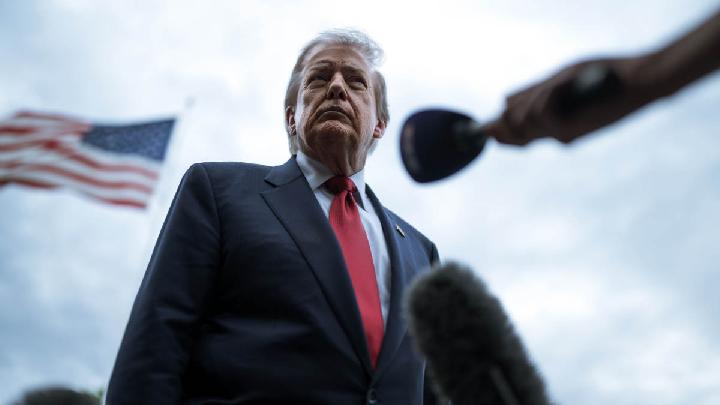
US Supreme Court is facing growing internal tensions over both its relationship with President Donald Trump and the increasingly lengthy oral argument
Lawyers Report Judges in Andrie Yunus Acid Attack Trial to Supreme Court
19 Mei 2026

TAUD lawyers, including Andrie Yunus, report a panel of military court judges to the Supreme Court, alleging violations of the judges' code of ethics and conduct guidelines.
US Top Court Weighs Ending Syrians, Haitians Protections
30 April 2026

The Trump administration appeals court blocks efforts to end temporary protected status for Haiti and Syria.
US Appeals Court Rejects Trump's Immigration Detention Policy
29 April 2026
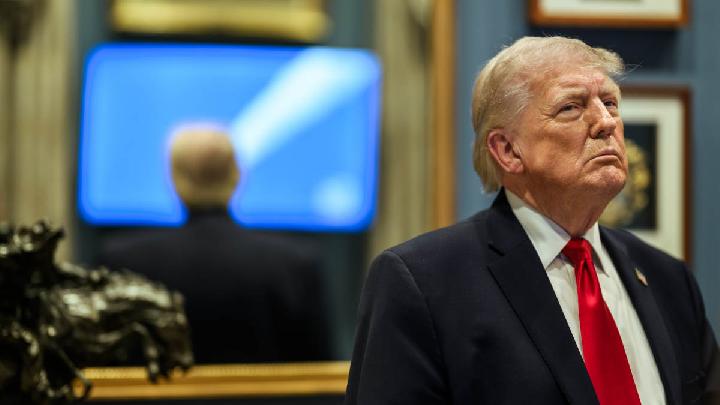
The court of appeals rejects the mandatory detention policy for immigrants imposed by the Trump administration, stating that it is not in accordance with the existing rules.
10% US Import Tariffs to Take Effect on February 24
21 Februari 2026
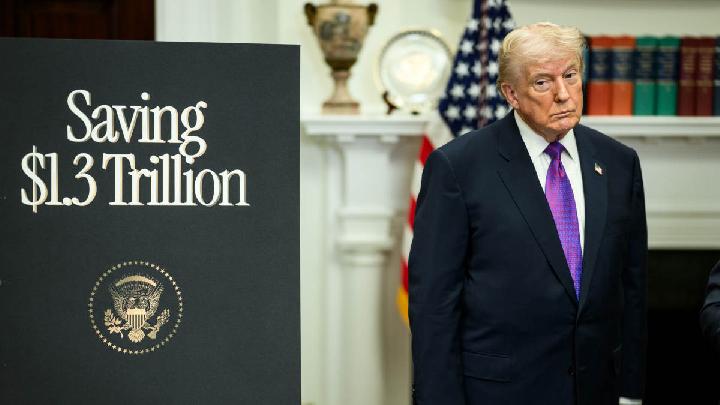
Despite the previous policy being revoked by the Supreme Court, President Trump announced new import tariffs of 10 percent for all countries.