April 14, 2026 | 07:33 pm
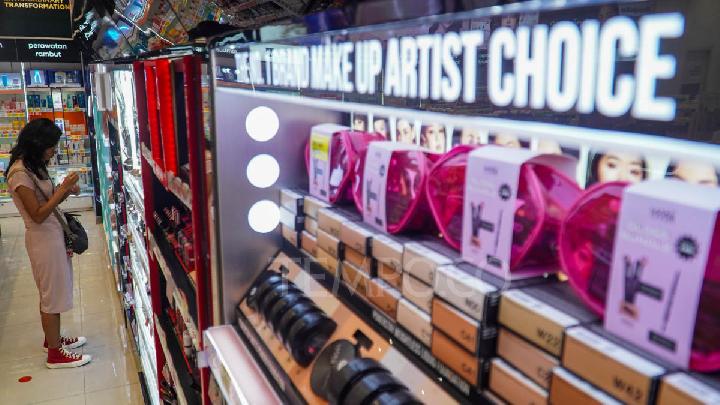
TEMPO.CO, Jakarta - Urban Campaign and Spatial Policy Campaigner of the Indonesian Forum for the Environment (Walhi) National, Wahyu Eka Styawan, said that recycling cosmetic waste is more difficult than recycling other types of waste. Similar to the pharmaceutical industry, the design of cosmetic packaging aims to prevent contamination and subsequent poisoning or adverse effects.
"The complexity is related to the quality standards of packaging, which have certain levels, while recycling technology capable of handling this is still limited and costly in Indonesia," he told Tempo on Tuesday, April 14, 2026.
The role of manufacturers in product design also significantly determines the amount of waste generated by the cosmetic industry. "Behavioral changes will only reduce usage, while purchases will continue, as they are a basic need," he said. According to him, consumption is influenced by trends and lifestyles, such as product offerings, claims of necessity, and advertising's role in creating demand.
Citing the report Premium Tempo: Why Is Cosmetic Waste Difficult to Recycle, a study in 2025 revealed that the cosmetic industry produces around 120 billion packaging units each year. From this amount, only 14 percent of plastic waste is collected for recycling, including 9 percent that can be processed into new materials. Since 2015, the total amount of global plastic waste has reached 6.9 billion tons, a significant portion of which comes from the cosmetic industry.
Complex packaging materials are one of the main reasons why recycling cosmetic waste is difficult. The majority of makeup products use non-biodegradable synthetic plastics that can last hundreds of years, such as Acrylonitrile Butadiene Styrene (ABS) based on petrochemicals, and Styrene Acrylonitrile copolymers. Both of these materials are not widely accepted in the recycling system due to their complex chemical structure and consistent labeling. Most of this waste piles up in landfills or is incinerated.
Recycling cosmetic waste is also hindered by its packaging design. Many cosmetic products have multilayer packaging made from a variety of materials, such as plastic, glass, metal, and silicone. One pump bottle, a case mentioned in the study From Production to Pollution, consists of five different types of material, including metal springs and silicone seals. As a result, the packaging must be manually disassembled before recycling—a process that consumers and waste processing facilities rarely perform. Because of this, more than 95 percent of cosmetic packaging ends up in landfills after use.
According to Wahyu, the sustainable packaging campaign also has a relatively small impact because it generally only changes the outer part of the packaging. He said that the use of materials like paper poses its own problems because it increases demand, which impacts deforestation and changes in land use. "But the waste is still made in the landfill," he said.
The Deputy Head of the Jakarta Environmental Agency (DLH), Dudi Gardesi Asikin, said that the sustainable packaging scheme is expected to drive systemic changes in waste management. "Its effectiveness depends greatly on the consistency of implementation at the manufacturer level," he told Tempo.
If not maximized, Dudi continued, the push for sustainable packaging may only result in a material change and could even shift the management burden downstream. "It requires a stronger commitment from manufacturers to not only change materials, but also to reduce, redesign, and take back the resulting packaging."
DLH data so far shows that the total waste entering the final processing site in Jakarta reaches around 7,000-8,000 tons per day. That figure is still an aggregate and has not been broken down by type of waste, including cosmetic waste.
22 percent of Jakarta's waste consists of plastic waste. There are different types of plastic, ranging from polyethylene terephthalate (PET), which can be recycled, to plastic bags, which can be used as refuse-derived fuel (RDF).
Defara Dhanya contributed to the writing of this article
Read: Danantara Indonesia Forms New Company for Waste Management
Click here to get the latest news updates from Tempo on Google News
Beauty as Strategy: Why K-Beauty Is Also a Political Success
10 hari lalu
K-beauty is more than just a cosmetics trend. South Korea has combined popular culture, innovation and national strategy to create a business model.
List of 26 Hazardous Cosmetic Products Flagged by Indonesia's BPOM
16 Januari 2026

BPOM has announced a list of 26 cosmetic products found to contain hazardous substances that pose serious health risks.
BPOM Says 23 Illegal Cosmetics Contain Dangerous Chemicals
4 November 2025

Indonesia's Food and Drug Monitoring Agency (BPOM) revealed that 23 illegal cosmetics products contained harmful chemicals for the skin.
Indonesia's IPB Students Turn Onion Peels and Seaweed into Eco-Friendly Sunscreen
15 Oktober 2025
The sunscreen product produced has several advantages compared to commercial products made from synthetic ingredients.
91 Cosmetic Brands Recalled by BPOM: Shedding Light on Illegal Products Circulation
27 Februari 2025

BPOM announced the recall of 91 illegal cosmetic and skincare brands containing hazardous ingredients
BPOM Finds 91 Illegal Cosmetic Brands, Majority Imported
23 Februari 2025

Indonesian Food and Drug Monitoring Agency (BPOM) has found 91 illegal cosmetic brands, 60 percent of which are imported products.
BPOM Chief Highlights Illegal Cosmetics Circulation in Beauty Salons
31 Desember 2024

Other than pharmaceutical facilities, he said, BPOM also took note of beauty salons that offer customers cosmetic products to use.
Indonesia's BPOM Finds Most Illegal Cosmetics Come from China
31 Desember 2024

Indonesia's Food and Drug Monitoring Agency (BPOM) found that most of the illegal cosmetics circulating in Indonesia come from China.
Deputy Industry Minister Warns Skincare Producers Against Overclaiming
30 Oktober 2024

Deputy Industry Minister Faisol Reza has issued a warning to skincare producers who engage in overclaiming practices.
BPOM Withdraws Okko Bread from Markets Post Cosmetic Preservatives Findings in its Content
24 Juli 2024

BPOM ordered the withdrawal of Okko bread products from the market after finding sodium dehydroacetate as a food additive.