
TEMPO.CO, Jakarta – When geopolitical conflict escalates in the Middle East, the first thing to change is not only military dynamics or diplomacy, but also the activity of the skies, a.k.a. airspace.
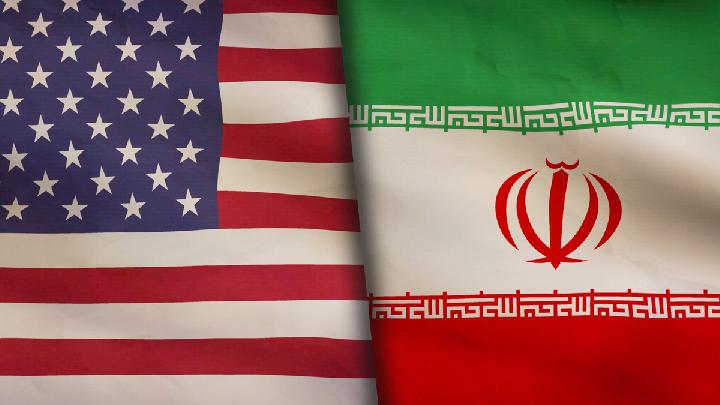
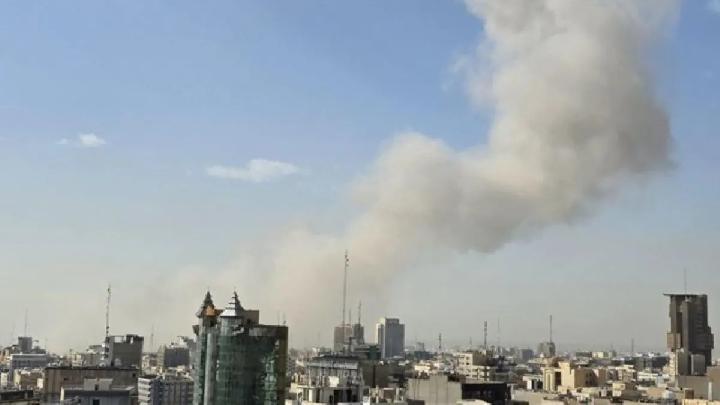
Within hours of the escalation of the conflict between Iran and the coalition of the United States (US) and Israel on February 28, 2026, airspace over much of the Middle East suddenly became silent, empty of civilian flights.
Airways normally busy with thousands of aircraft daily were suddenly silent. The regional conflict suddenly turned into a global mobility crisis.
Several countries in the Gulf region immediately closed their airspace as a precautionary measure.
The United Arab Emirates, Qatar, Bahrain, Iraq, Oman, and Kuwait were among the countries that restricted or closed airspace operations after missile and drone attacks in the region.
This closure is not just a local policy. Middle Eastern air routes are a key corridor connecting Asia, Europe, and Africa. When this corridor is disrupted, the impact is immediately felt throughout the global aviation network.
In the first few days of the conflict alone, more than 4,000 international flights were canceled daily. Airlines from countries ranging from British Airways, Lufthansa, and Cathay Pacific to Asian carriers temporarily suspended flights to the Gulf region.
Hundreds of thousands of passengers were stranded at transit airports or forced to reroute their flights. This situation has even been called the biggest air travel disruption since the COVID-19 pandemic.
At the center of this crisis stand cities that have long been key hubs for global mobility, including Abu Dhabi, Dubai, and Doha. Over the past two decades, the Gulf region has developed a highly efficient aviation hub model.
With its geographical position at the center of the route between Asia and Europe, the region's airports are able to connect hundreds of cities worldwide through a single transit point.
Demand Soars for Charter Flights as Wealthy Tourists Keen to Exit the Gulf
10 jam lalu
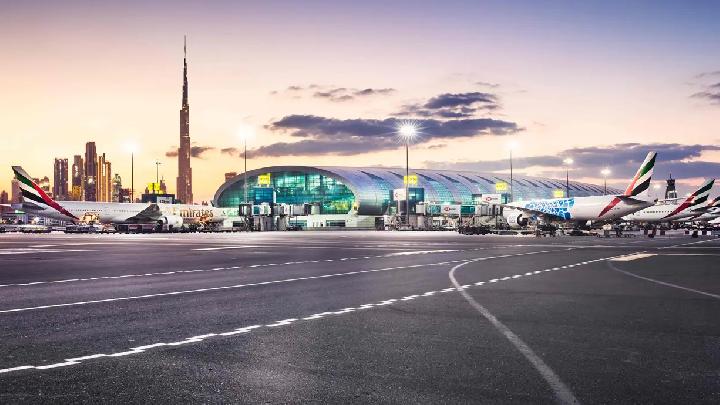
Waves of airstrikes in the Middle East in recent days have prompted major airports in the region to cancel commercial flights.
Indonesia Can Sustain Fuel Supply for 20 Days, Says Minister Bahlil
14 jam lalu
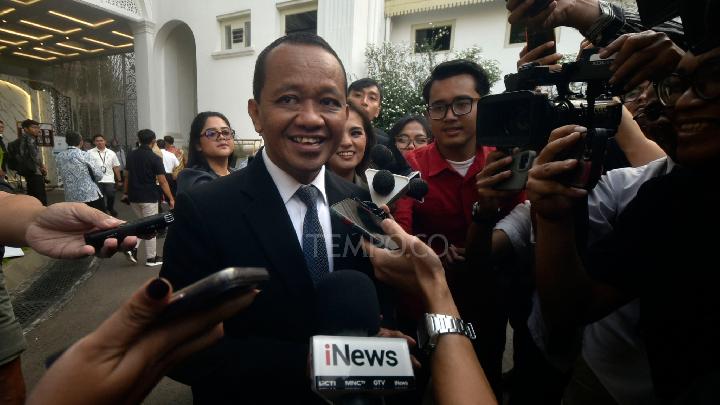
Minister Bahlil explains that a 20-day oil reserve is not an emergency.
Iraq, Caught in the Middle, Braces for Iran War Impact
16 jam lalu

Iraq is the only Middle Eastern country hit by both sides in the conflict, with potential effects on government, communal violence, and public salarie
Soaring Oil Prices: Challenges Ahead for Indonesia
17 jam lalu
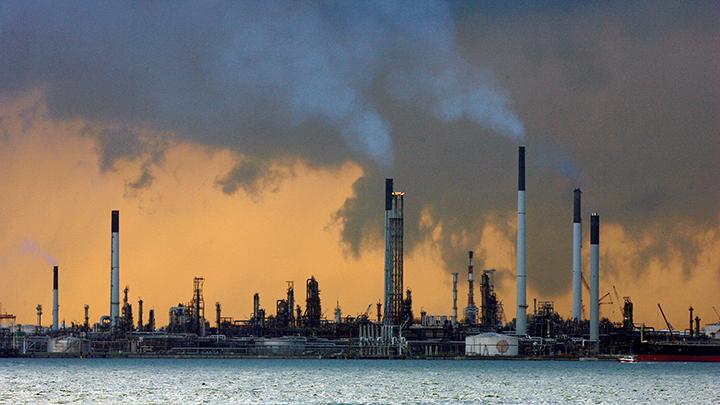
The price of Brent crude oil today rose to US$82 per barrel.
How the Middle East Conflict Affects Indonesia's Umrah Pilgrim Funds
20 jam lalu

Geopolitical tension involving Iran, Israel, and the United States in the Middle East is causing a dilemma for umrah travel organizers in Yogyakarta.
Prabowo Discusses US-Iran Conflict with Former President and Foreign Ministers
1 hari lalu
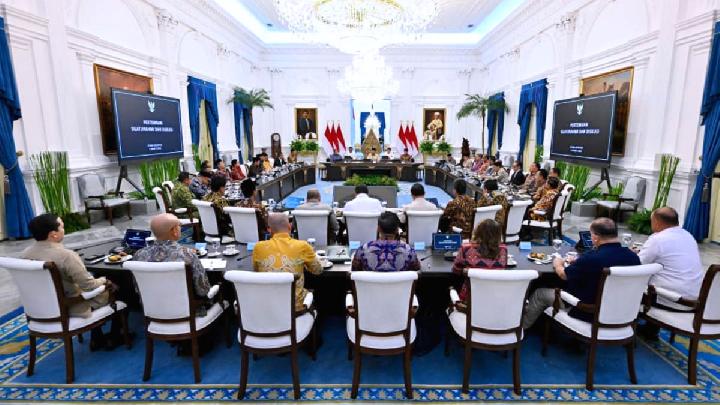
Indonesian President Prabowo Subianto conveys latest developments regarding the conflict in Middle East to the former president and foreign ministers
Indonesia's State Budget Strong Enough to Withstand Global Crisis, Says Minister
1 hari lalu

Indonesian Finance Minister Purbaya Yudhi Sadewa confirmed that the State Budget remains strong enough to weather a potential global crisis.
Middle East: Indonesian Ambassador Visits 41 Stranded in Abu Dhabi
1 hari lalu

Indonesian Ambassador to the United Arab Emirates, Judha Nugraha, personally met with several Indonesian citizens (WNI) still stranded in Abu Dhabi.
Iran Attacks on Gulf Oil and Gas Sites Trigger Energy Fears
1 hari lalu

Iranian attacks on refineries, gas plants, and tankers heighten global energy supply fears, risking economic fallout from Asia to Europe.
Indonesia Readies Evacuation Scenarios for Migrant Workers in Middle East
1 hari lalu
Indonesian migrant workers are urged to stay away from conflict areas, military bases, and potentially vulnerable locations.