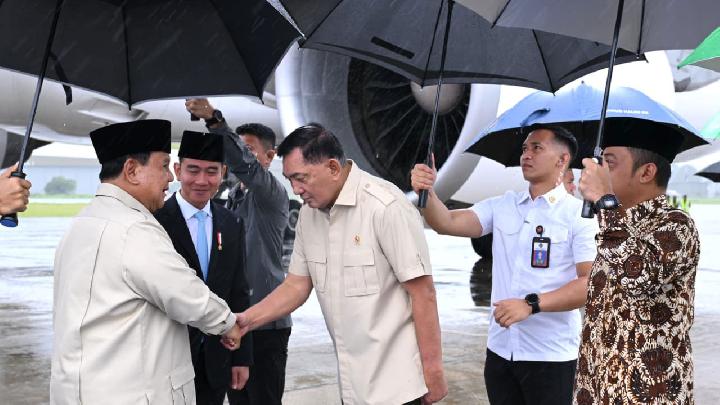
TEMPO.CO, Jakarta - An academic from Gadjah Mada University, Indonesia, has criticized the recently signed Indonesia–United States trade pact, arguing that it lacks fair reciprocity and disproportionately burdens Indonesia.
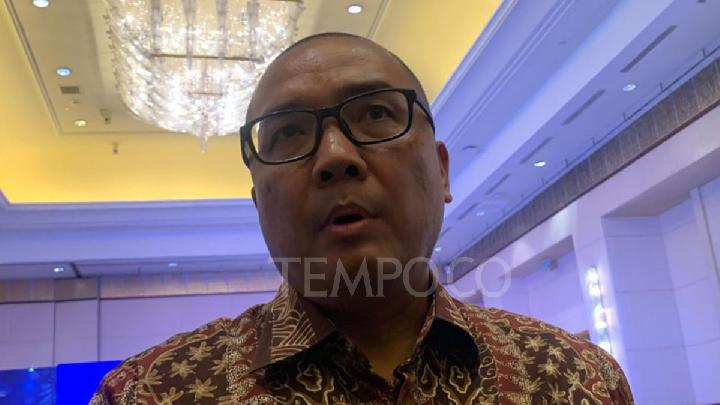
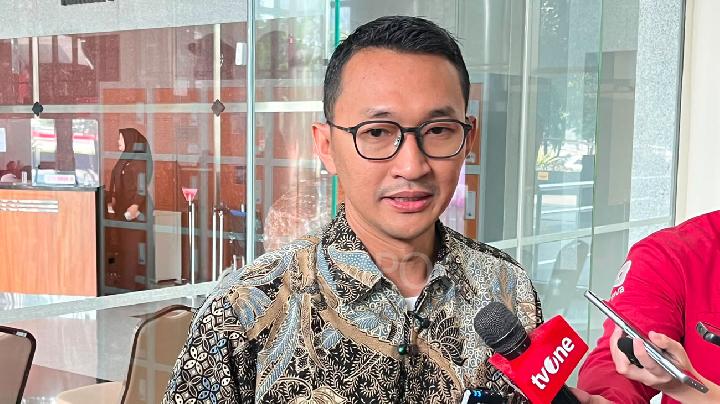
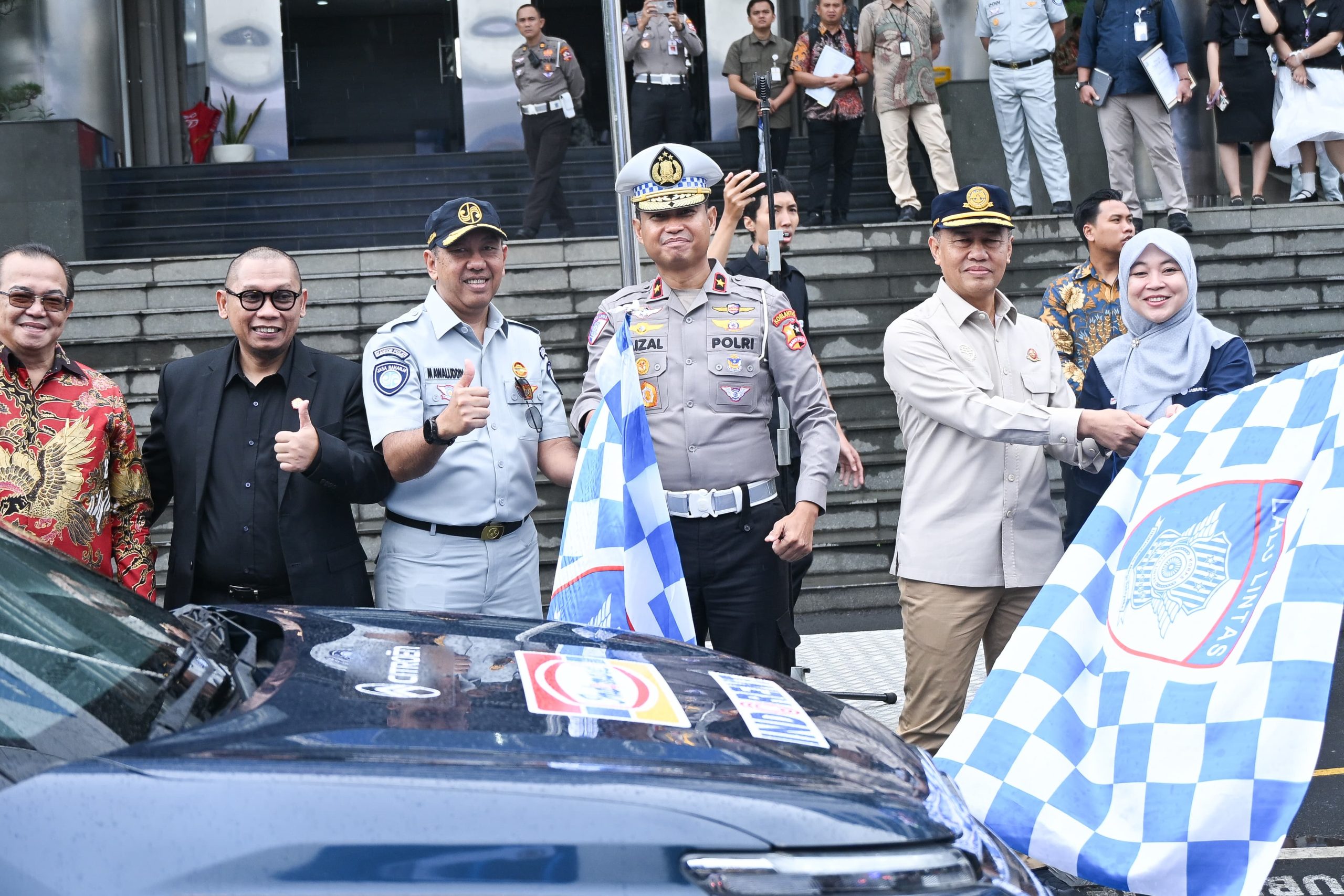
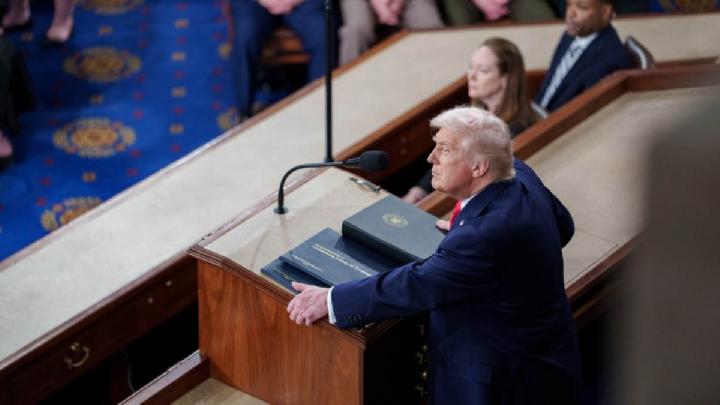
Rimawan Pradiptyo, a lecturer at the university’s Faculty of Economics and Business, said the Agreement on Reciprocal Trade (ART) signed by President Prabowo Subianto and US President Donald Trump reflects a “zero-sum game” rather than a mutually beneficial arrangement.
“In a zero-sum game, one party’s gain comes at the expense of the other. This is not a reciprocal agreement. This is winner takes all,” Rimawan said during a public discussion hosted by the Civil Society Coalition and broadcast on Imparsial’s YouTube channel on Wednesday, February 25, 2026.
Indonesia and the United States signed the document, titled “Agreement Between the United States of America and the Republic of Indonesia on Reciprocal Trade,” on February 19, 2026. Rimawan argued that the term “reciprocal” implies mutual benefit and fairness, concepts he believes are absent from the deal.
“In economic theory, there is the idea of fairness equilibrium. I do not see that fairness here,” he said.
Asymmetrical Obligations in the Agreement
According to Rimawan, the agreement is structurally asymmetrical. He pointed to the language of the document, noting that it contains 211 instances of the phrase “Indonesia shall,” indicating binding obligations for Jakarta. In contrast, similar formulations referring to US obligations appear only nine times.
He added that US commitments are often framed with softer language such as “may,” “intends to,” or “commits to,” which leaves greater discretion on Washington’s side. “Indonesia’s room for discretion is very limited. That is the problem,” he said.
Rimawan also highlighted that the agreement focuses heavily on non-tariff barriers. Of the 87 substantive articles in the pact, 83 regulate non-tariff measures, while only four articles and one hybrid provision address tariffs.
“When discussing ART, the heaviest burden actually lies in the non-tariff barriers,” he said, calling for greater clarification of the agreement’s implications.
The deal was signed in Washington, D.C., on February 19. Key provisions include arrangements on halal certification and labeling for US products, as well as the marketing of medical devices and pharmaceuticals in Indonesia.
Halal requirements for manufactured goods and for food and agricultural products are outlined in Annex III under non-tariff barrier commitments. Provisions concerning medical devices and pharmaceuticals are also included in the same annex.