December 20, 2025 | 05:44 pm
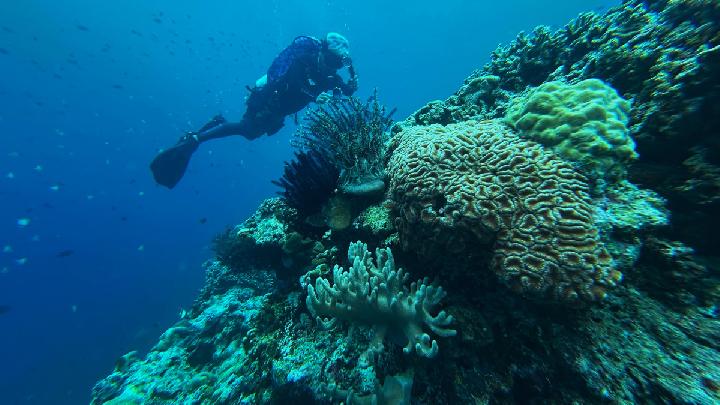
TEMPO.CO, Jakarta - A study by Derek Manzello from Coral Reef Watch, together with the Atlantic Oceanographic and Meteorological Laboratory, illustrates the negative impact of climate change on the Elkhorn and Staghorn coral ecosystems in the state of Florida, United States. Coral reef extinction from the genus Acropora is also a tangible threat across Asia, including Indonesia.
Citing a review by Earth on December 16, 2025, the field survey conducted by the researchers recorded staggering coral reef damage. Approximately 97.8 to 100 percent of the Elkhorn and Staghorn colonies in Florida vanished following a heatwave two years ago. These colonies were no longer able to form habitats that support the life of fish, lobsters, and other marine organisms.
Why Did the Coral Reefs Die Out?
The main trigger of this ecological disaster is the warming ocean that heats up the shallow-reef zones. During the summer, the water temperature along the south coast of the Atlantic in Florida remained above 32 degrees Celsius for nearly three months. This unusually long heat wave was the worst in record. Researchers found that the rise in temperature and chemical changes underwater damaged the coral reefs.
The coral died through a process called bleaching. The rise in water temperature, even by just a few degrees above the normal limit, damages the symbiosis between coral and microscopic algae. Stressed corals will expel the algae, causing them to turn white and eventually die.
Despite genetic rescue efforts being designed in laboratories, the limited potential for global temperature cooling makes the future of coral reefs increasingly bleak.
In the study by Coral Reef Watch and its partners, the authors described coral as small animals called polyps. They live in colonies and grow a hard skeleton of calcium carbonate.
As sea temperatures rise, the algae that help build coral reefs will have difficulty forming ecosystems, causing the coral to turn white. Indonesia, which is known as a coral reef haven, is also threatened by this treacherous effect of climate change.
Read: Scientists Warn Coral Reefs Near Breaking Point Amid Climate Threats
Click here to get the latest news updates from Tempo on Google News
Scientists Warn Coral Reefs Near Breaking Point Amid Climate Threats
17 hari lalu
Researchers found that coral reefs are crucial in regulating the carbon cycle and supporting climate stability.
Thailand's Maya Bay to Temporarily Close Starting August 1
21 Juli 2025

Maya Bay is famous for its towering limestone cliffs, crystal-clear waters, and stunning coral reefs.
Expert Reveals Napoleon Fish Threatened by Mining Activities
1 Juli 2025
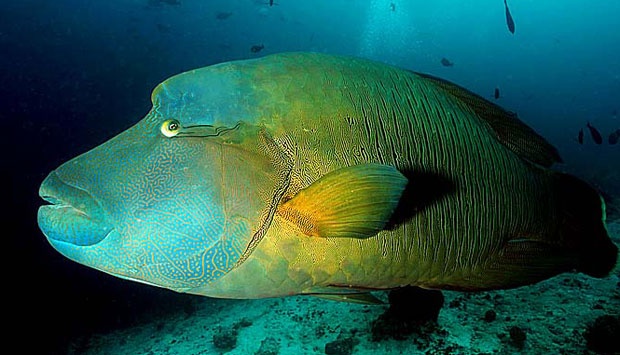
Napoleon fish is one of the largest coral reef fish species in the world.
Serious Threats Facing Mangrove and Coastal Ecosystems on Pari Island, Indonesia
18 Juni 2025

An investigation is being launched into the damage to mangrove & coastal ecosystem in Pari Island, one of the islands in Thousand Islands, Indonesia.
Thailand Reopens Snorkeling, Diving in Phi Phi Islands After Year-Long Ban
17 April 2025

Snorkeling activities in the Phi Phi Islands were halted for a year to allow coral reef recovery after experiencing severe bleaching.
Setting the Standard, Dubai's 3 Steps to Sustainable Tourism
4 Maret 2025

The three programs focus on environmental responsibility in Dubai, including the hotel sector, waste reduction, and conservation.
Indonesian Conservation Team Discovers New Dwarf Goby Fish Species in Saleh Bay
6 Februari 2025

The new species of dwarf goby fish was discovered in the crevices of delicate coral colonies in the lagoon.
Yogyakarta's Wediombo Beach to Become Coral Reef Sanctuary; Partially Off-limits to Tourists
22 Agustus 2024

Wediombo Beach in Girisubo, Gunungkidul Regency, Yogyakarta Special Region, Indonesia, will be established as a coral reef sanctuary.
Environment Ministry Leads Coral Fragment Transplantation in Indonesia's East Nusa Tenggara
8 Juli 2024

Indonesian Ministry of Environment and Forestry conducted a coral fragment transplantation activity in the Larantuka Coral Reef Conservation Area