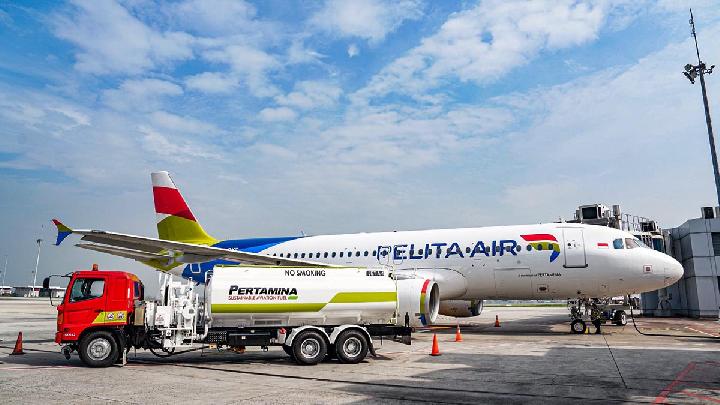
TEMPO.CO, Jakarta - PT Pertamina Patra Niaga Regional Central Java, Indonesia, which oversees Central Java and the Yogyakarta Special Region, has projected that consumption of non-subsidized fuel will rise by around 3 percent during the 2026 Christmas and New Year holiday period.
The increase is attributed to travelers’ preference for higher-quality fuel during long-distance journeys.
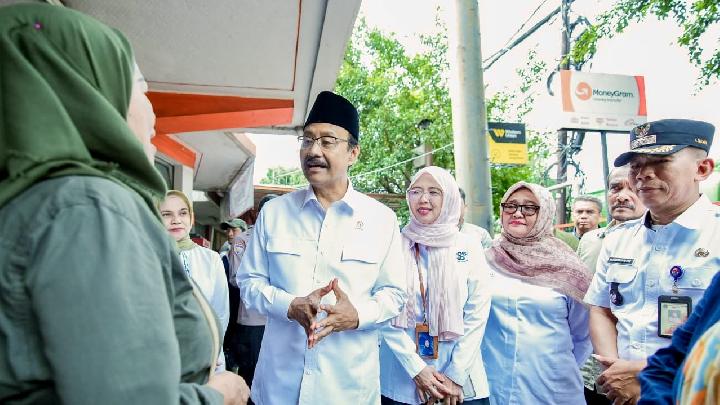
Taufiq Kurniawan, Area Manager for Communication, Relations, and CSR at Pertamina Patra Niaga Regional Central Java, said the trend has consistently occurred during extended holiday seasons.
“Based on our experience, during Christmas and New Year holidays, people tend to choose better-quality fuel for psychological reasons, as it is considered safer for long trips,” Taufiq told journalists while inspecting Rest Area KM 519 B on the Solo–Ngawi Toll Road in Sragen Regency, Central Java, on Tuesday, December 23, 2025.
In contrast, consumption of gas oil or diesel fuel is expected to decline during the same period. Taufiq explained that this decrease is linked to operational restrictions imposed on logistics vehicles on both toll and non-toll roads during the holiday season.
Meanwhile, LPG consumption is forecast to increase by about 3 percent, driven mainly by household demand and the use of Bright Gas. The rise is associated with increased community activities ahead of New Year celebrations.
“For LPG, the increase comes from Bright Gas consumption, including the 5.5-kilogram and 12-kilogram cylinders, as well as canned packages,” Taufiq said.
On Tuesday, Pertamina Patra Niaga also reviewed the readiness of its facilities at several strategic locations, including Rest Area KM 519 B on the Solo–Ngawi Toll Road. The site serves as the first access point to the Trans-Java toll road for vehicles traveling from Surabaya to Solo and onward to Central Java.
Taufiq said that in rest areas without permanent gas stations, Pertamina has deployed modular fueling units and portable fuel kiosks. In total, 18 modular stations and kiosks have been prepared across Central Java and the Yogyakarta Special Region.
“These modular units serve two purposes: to provide fuel services in rest areas without gas stations and to help reduce long queues at existing stations,” he said.
In addition, Pertamina has assigned marshalling officers to manage vehicle queues at gas stations, particularly in areas expected to experience high traffic volumes during the holiday period.