March 14, 2026 | 01:53 pm

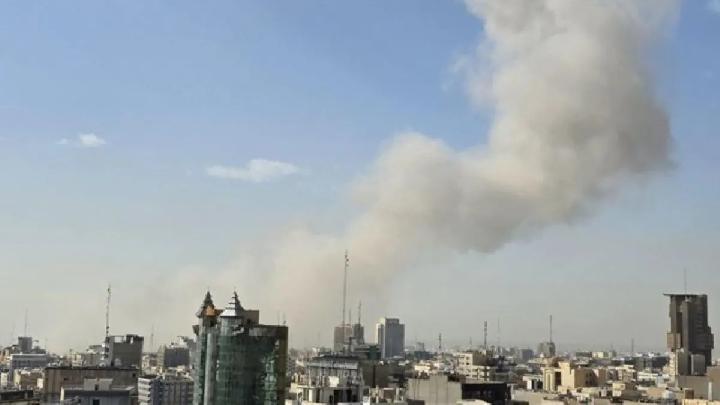
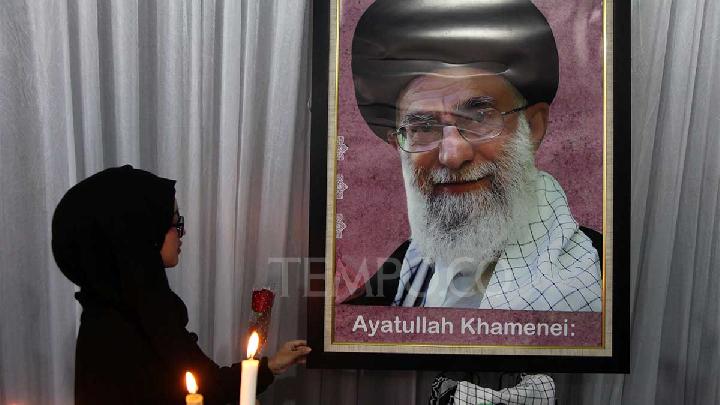
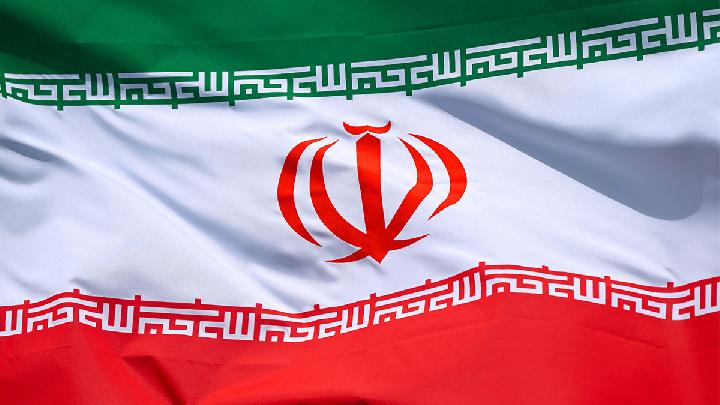
TEMPO.CO, Jakarta - As the US-Israel war on Iran marks two weeks, much is at stake for the region. On Friday, Iran continued to launch strikes on Saudi Arabia and Bahrain. Iran's new supreme leader, Mojtaba Khamenei, also vowed in his first public comment earlier this week to keep the Strait of Hormuz closed.
Iran's Arab neighbors on the Persian Gulf appear reluctant to openly comment on Iran's new supreme leader, Sebastian Sons, a senior researcher at the Center for Applied Research in Partnership with the Orient, told DW.
"The various capitals in the Gulf want to get a clear picture of the situation first," he said.
Philipp Dienstbier, the Jordan-based head of the Gulf States regional program at the Konrad Adenauer Foundation, told DW that the Israeli-US war on Iran has united the Gulf states. "In the early days of the crisis, there were numerous expressions of solidarity," he said, "even between states that were previously at odds."
"The threat from Iran is a challenge that requires regional coordination," he said, predicting that closer cooperation could emerge in the future, particularly in the areas of air defense and missile defense.
"None of the Gulf states has an interest in this war dragging on," Sons said. "Ultimately, the entire business model of the region suffers as a result." Attacks on energy facilities, airports or water infrastructure would strike at the lifeblood of the Gulf economy, he said. "Therefore, the region faces a difficult balancing act," Sons said. The Gulf states must make it clear to Iran "that red lines have been crossed," he said, but added that he doesn't see any "long-term alternative to diplomacy either."
Sons said the conflict was a challenge to the region's security strategy. In recent years, the Gulf states have sought stability situation through broad-based diplomacy, he said. The goal had been to engage with as many actors as possible — including both the United States and Iran.
"This kind of 360-degree diplomacy was actually intended to prevent the region itself from becoming a battlefield," Sons said. Current developments show that this approach worked to a limited extent. The question now is how the Gulf states should deal with an increasingly fragile security situation in the future.
Dienstbier said, "The Gulf states have deliberately adopted a balanced position in recent years." Saudi Arabia, for example, has increasingly focused on deescalation; countries such as Oman and Qatar have acted as mediators. However, the recent attacks have severely damaged this trust, Dienstbier said. Even if the war ends soon, he added, it will be virtually "impossible to simply return to the way things were before."
'Fundamental Change' Unlikely
Overall, the regional reaction to Iran's strikes has been mixed, Dienstbier said. He added that the Gulf governments likely see Iran's new supreme leader more as a declaration of continuity over change.
"Khamenei is considered someone who is close to the Revolutionary Guards and has been groomed within the system as a successor," Dienstbier said. Accordingly, Gulf governments assume that Iran's current policy will continue.
"No one in the Gulf is currently expecting a fundamental change in political course," Dienstbier said. He added that it remains unclear how Khamenei, who had not previously held political office, will act as supreme leader.
Sons offered a similar analysis of the situation. "Khamenei is seen as a clear representative of the existing establishment and thus as a figure who could continue his father's policies." He added: "At the same time, Khamenei has close ties to the Revolutionary Guards and is therefore perceived as a hard-liner."
Sons remains optimistic that a semblance of the old order could be restored around the Persian Gulf. "On the one hand, Khamenei poses a challenge to the security of the Gulf states," he said, "but, on the other hand, he is a figure who is at least reasonably well-known." Therefore, there may be hope that relations with Iran can be "managed" politically in the long term, Sons said.
Read: Iranian Missiles Hit 5 US Tanker Aircraft in Saudi Arabia, 6 Dead
Click here to get the latest news updates from Tempo on Google News
Iran Considers Yuan Payments for Hormuz Ship Passage
50 menit lalu
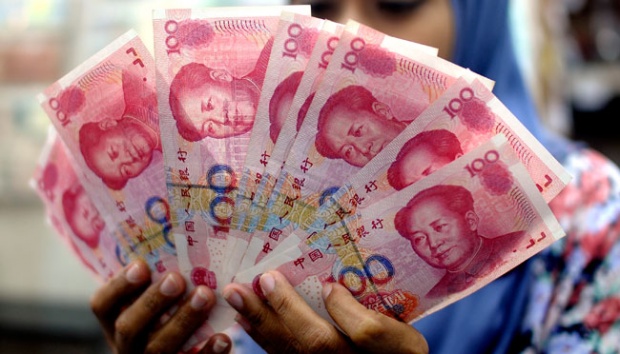
Iran is considering allowing oil tankers through the Strait of Hormuz if trade uses the Chinese yuan.
Dubai Detains British Tourist for Recording Iranian Attacks
1 jam lalu
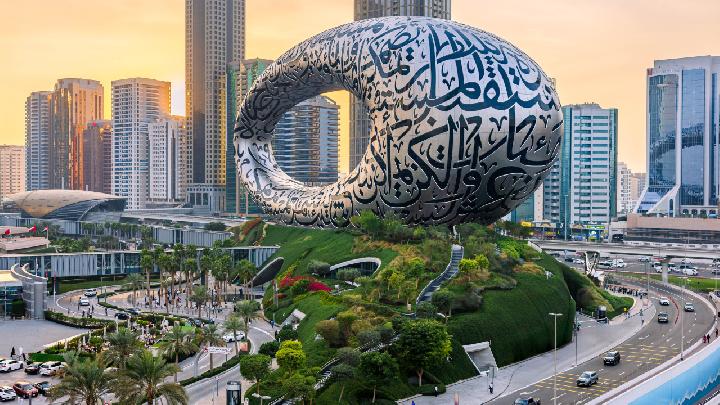
A 60-year-old British tourist faces two years in a UAE prison after filming an Iranian missile strike in Dubai.
US-Israeli Strikes Damage Iran's Cultural Heritage Sites
1 jam lalu
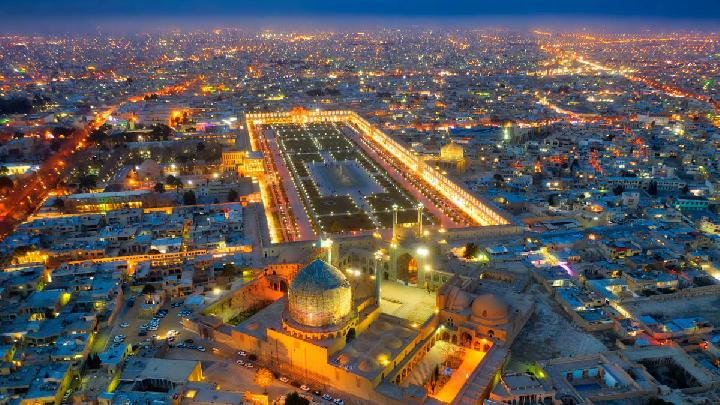
UNESCO World Heritage Sites in Iran are at risk, with several monuments already damaged by US and Israeli strikes.
Indonesia Intensifies Talks with Iran on Safe Hormuz Ship Passage
3 jam lalu
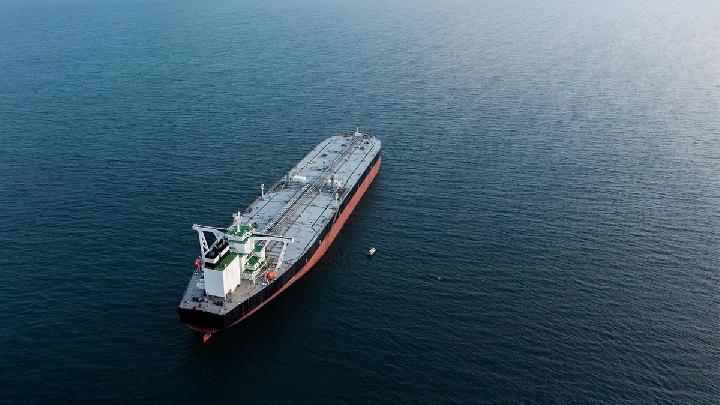
The Indonesian Foreign Ministry is intensifying its diplomatic efforts to ensure the safety of Indonesian ships passing through the Strait of Hormuz.
Malaysia Considers WFH for Public Sector Employees
4 jam lalu
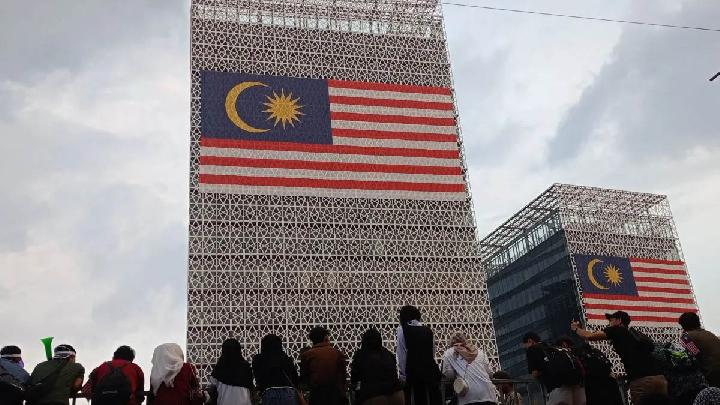
The Malaysian government is considering the implementation of WFH for public sector employees as an efficiency measure in the face of global geopolitical conditions.
Iranian Missiles Hit 5 US Tanker Aircraft in Saudi Arabia, 6 Dead
5 jam lalu
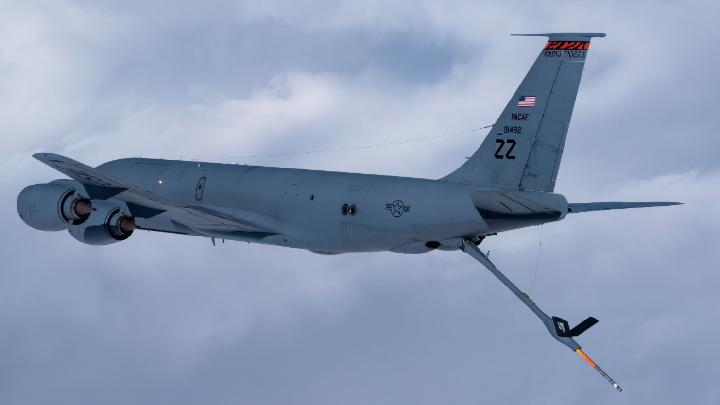
The all six crew members of the aircraft were reported to have been killed, as confirmed by the Pentagon on Friday.
China Donates $200,000 to Families of Iran School Strike Victims
6 jam lalu
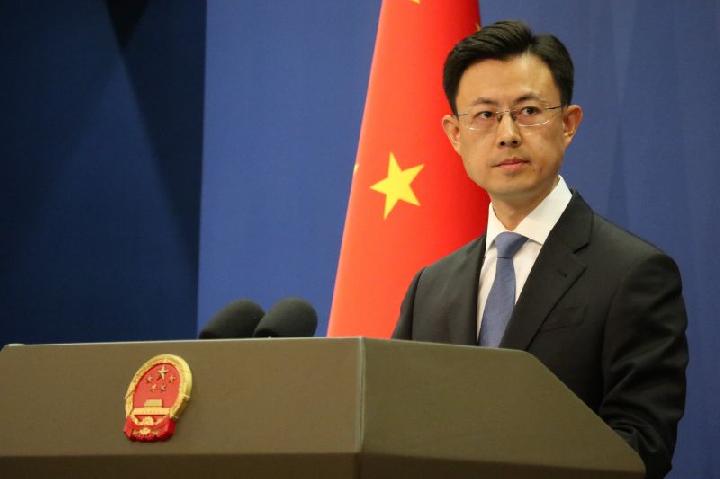
China provides $200,000 or around Rp3.3 billion in aid for parents whose children were killed in the US attack on an Iranian elementary school.
Prabowo Cites Pakistan as Indonesia Weighs Austerity Amid Iran War
7 jam lalu
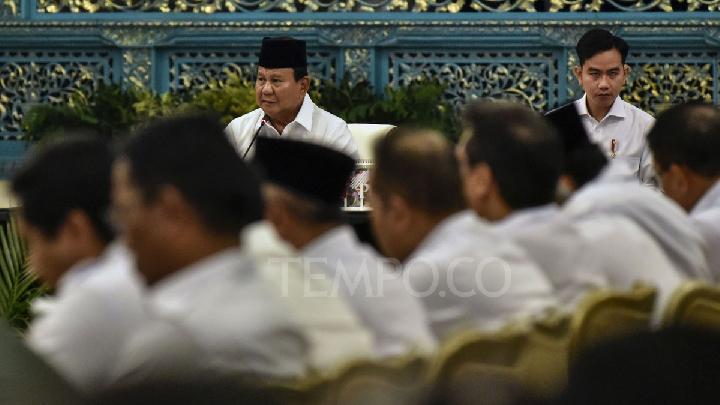
Prabowo said Indonesia should also consider cutting fuel use, though the government is still reviewing possible measures.
Fact Check: AI-Generated Photos Portray Indonesian Man as Iran Missile Technician
8 jam lalu
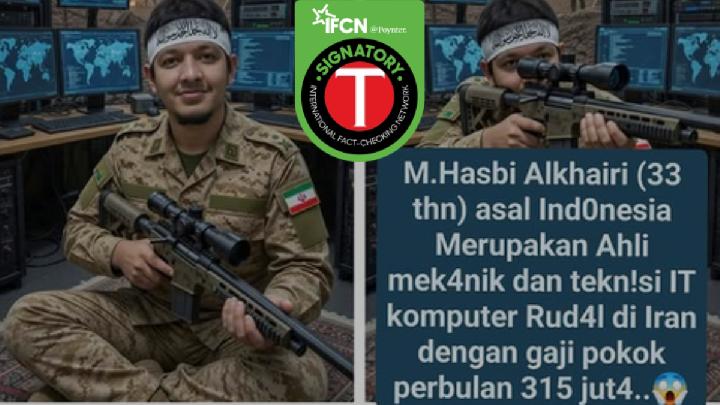
The uploader claimed the man was 33-year-old M. Hasbi Alkhairi, allegedly earning Rp315 million a month as a missile technician in Iran.
Iran War Escalates, Indonesia Postpones D-8 Summit in Jakarta
17 jam lalu

Indonesia chairs the D-8 for the 2026-2027 period, and was scheduled to host the D-8 Summit on April 15, 2026.