TEMPO.CO, Jakarta - The exchange rate of currency often serves as a barometer of a country’s economic health and strength. While the U.S. dollar has long remained a global benchmark, several of the weakest currencies in the world trade at extremely low values, requiring tens of thousands of units to equal just one dollar.
Forbes highlights this disparity, placing the Lebanese pound at the top of the list due to years of economic contraction, prolonged political instability, and persistently high inflation. However, currency values are inherently volatile, meaning rankings can shift over time. This list reflects exchange-rate data cited by Forbes from early January 2026.
Here are the weakest currencies in the world in 2026.
List of the Weakest Currencies in the World 2026
1. Lebanese pound (LBP)
The Lebanese pound ranks as the weakest currency in the world in 2026. Its prolonged collapse stems from years of political instability, hyperinflation, and a depressed economy. As of January 2026, US$1 is worth 89,556.36 LBP.
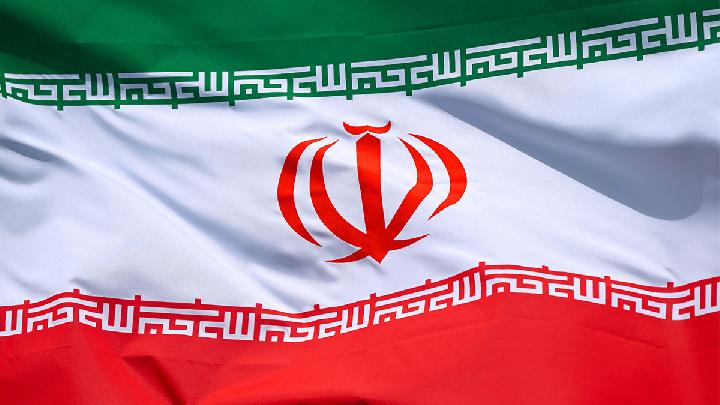
2. Iranian rial (IRR)
In recent years, the Iranian rial has experienced a sharp fall against the US dollar. As of January 2026, US$1 exchanges for approximately 42,112 IRR. The currency’s prolonged depreciation is largely driven by international economic sanctions, which continue to restrict Iran’s access to global financial markets.
3. Vietnamese dong (VND)
The Vietnamese dong has long been one of the weakest currencies in the world. Its low valuation is attributed to significant devaluation relative to global standards, restrictions on foreign trade, and a prolonged period of elevated US interest rates. As of January 2026, US$1 equals 26,345 VND.
4. Laotian kip (LAK)
The Laotian kip remains on the list due to its weak valuation, with US$1 equal to 21,663.26 KIP. Despite an increase in money circulation, the currency remains under pressure amid a prolonged period of economic sluggishness, persistent inflation, and rising foreign debt.
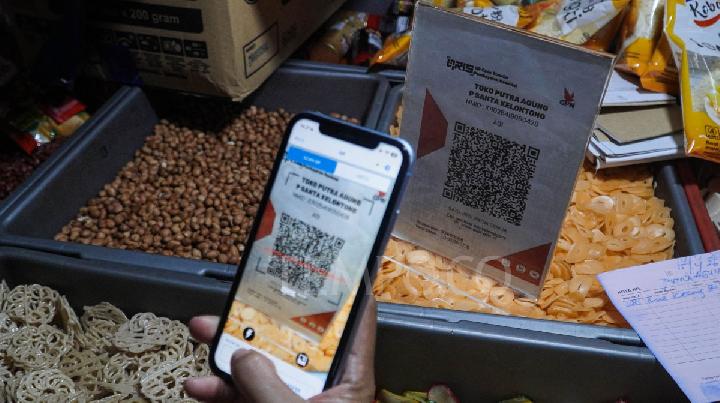
5. Indonesian rupiah (IDR)
According to Forbes, Indonesia is the largest economy in Southeast Asia by GDP. Nonetheless, the Indonesian rupiah continues to rank as one of the weakest currencies in the world, with US$1 buying Rp16,849.37. The depreciation has been driven by a combination of high inflation and lingering recessionary concerns, as well as its vulnerability to capital outflows due to substantial foreign ownership of rupiah sovereign bonds.
6. Uzbekistan som (UZS)
As noted by Bank Bazaar, the Uzbekistan government has been seeing recovery in its economy since late 2022. However, its valuation remains among the world’s weakest, with US$1 equal to 11,861.79 UZS as of January 2026. This prolonged struggle is linked to low economic growth, high inflation, high unemployment, and corruption issues.
7. Guinean franc (GNF)
Despite being rich in natural resources, Guinea presents a stark contrast when it comes to currency strength. As of January 2026, US$1 is worth 8,658.25 GNF. The nation suffers from high inflation and military unrest, which has impacted its currency.
8. Burundian franc (BIF)
As of January 2026, US$1 buys approximately 8,754.96 Burundian francs, making it one of the weakest currencies in the world. According to the World Bank Group, this landlocked East African nation has a low-income economy, with around 85% of its population employed in the agricultural sector.
9. Malagasy ariary (MGA)
Madagascar is another country grappling with persistent corruption and high unemployment. According to a Global Finance Magazine article published in November 2025, the island nation’s economy continues to face deep-rooted poverty and has come under additional pressure following the imposition of a 15% tariff under President Donald Trump’s trade policy. As of January 2026, US$1 is equal to 4,637.73 MGA.
10. Paraguayan guarani (PYG)
As of January 2026, US$1 is equal to 6,619.11 Paraguayan guarani. This landlocked nation continues to struggle with high inflation, corruption, high unemployment, and widespread poverty, all of which weigh heavily on the value of its currency.
From military unrest to issues with corruption and high inflation, these currencies prove that their lower value is rarely driven by a single factor. If you find this exploration insightful, take a deeper look at the most beautiful banknotes in the world.
Read: Why Do Gold Prices Keep Rising? Here Are the Main Factors
Click here to get the latest news updates from Tempo on Google News