September 12, 2026 | 02:17 pm

Tens of thousands of hectares of Merauke’s food estate land are burned. The ambition for self-sufficiency brings disaster.
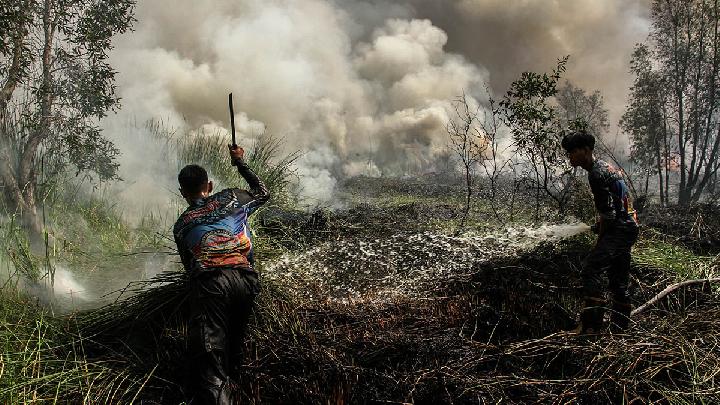
WHAT is the point of building food security if the way to achieve it makes a region increasingly vulnerable to disaster? The question has become more relevant after forest and land fires hit the government’s food self-sufficiency project area in Merauke, South Papua.
The indicative area burned in South Papua reached 95,000 hectares as of August 20, 2026, according to an analysis by the Madani Berkelanjutan Foundation. The figure is equivalent to 30 percent of the total area of forest and land burned in Indonesia through August. Half of the burned area was located within the food self-sufficiency project in Merauke.
The fires have caused a smoke disaster and health problems for local residents. At the same time, the fires have worsened deforestation that has been underway since land clearing for the project began in 2024. The government is targeting the clearing of up to 2 million hectares for the National Food, Energy, and Water Self-Sufficiency Area.
The scale of the fires should prompt the government to take serious action. Yet the response in Merauke has not been as serious as in Kalimantan and Sumatra. President Prabowo Subianto even went directly to the two islands on August 22-24, but has yet to give similar attention to Merauke.
The government needs to determine the cause of the fires. There is a possibility that the fires were deliberately started or triggered by hot and dry weather. If the fires were intentional, law enforcement authorities must investigate them as criminal acts. But if drought was the trigger, the government cannot use natural conditions as an excuse. The more fundamental question is why an area being cleared for a state project has become so vulnerable to fire.
Deforestation can alter the area’s water systems and ecological conditions and increase the risk of drought and fire. Therefore, the dry season accompanied by a strengthening El Niño since June 2026 should not be used as a pretext to ignore environmental changes caused by forest clearing.
Local residents have testified that fires around Kilometer 55 of the access road for the rice field development project allegedly originated from wood from land clearing that had been piled along the roadside. The fire then spread to standing trees around the project site.
If the testimony is proven true, the fires cannot be viewed solely as a result of drought. Land clearing has at least created conditions that allowed the fire to spread and magnified its impact. The government cannot wash its hands of a development policy that has increased such risks.
Even before the fires, the Merauke food estate project had triggered agrarian conflicts. Most of the targeted food production area consists of customary land. Indigenous communities have opposed the project because it threatens their living spaces.
These problems show that disaster risks do not always come from nature. Changes to the landscape caused by forest clearing can disrupt water systems and increase disaster risks during both dry and rainy seasons. Agrarian conflicts also show that the project’s impact goes beyond ecological damage.
The government should halt the rice field development project and forest clearing in Merauke until their ecological and social impacts have been comprehensively assessed. Food security must not be built at the expense of forests, the living spaces of indigenous communities, and the safety of residents.
Prabowo Claims He Has Achieved Much in His 19 Months in Office
23 Mei 2026
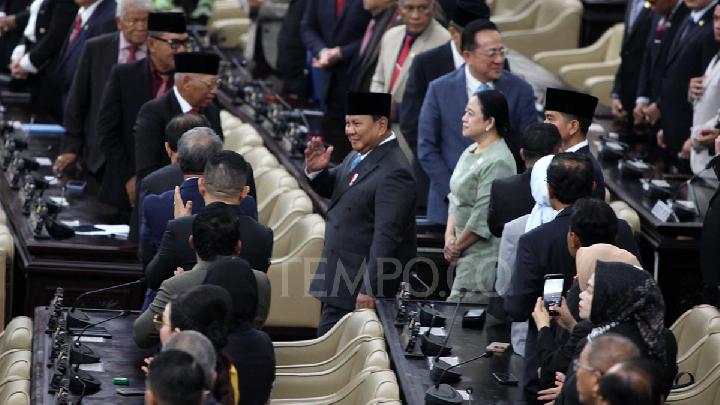
Prabowo claims to have achieved success since becoming president, including in achieving self-sufficiency in several food commodities.
Prabowo: Indonesia Can Reach Meat Self-Sufficiency in 4-5 Years
23 Mei 2026
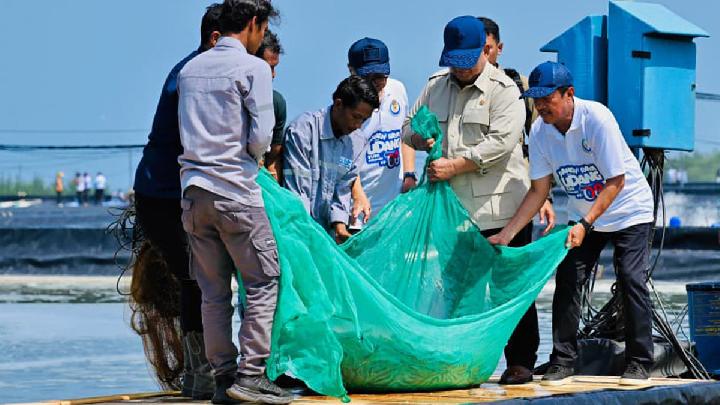
The push for meat self-sufficiency is not new. Previous administrations had also set a target of achieving beef self-sufficiency by 2026.
Prabowo: Indonesia Soon Self-Sufficient in Fuel, No Imports
10 Mei 2026
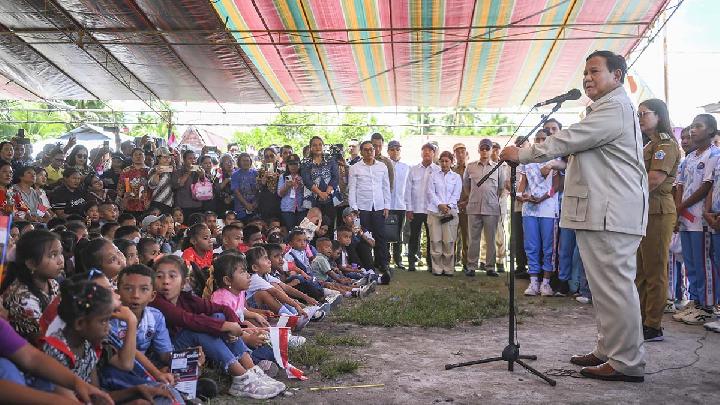
President Prabowo Subianto claims Indonesia will no longer need to import fuel following the realization of fuel self-sufficiency.
Prabowo Claims ASEAN Respects Indonesia for Food Self-Sufficiency
10 Mei 2026
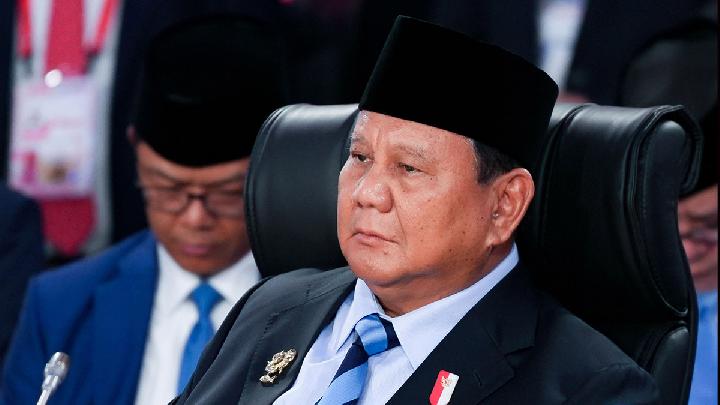
President Prabowo claims that Indonesia is increasingly respected in the Southeast Asian Nations Association (ASEAN) due to food self-sufficiency.
Indonesian Farmers Report Egg Self-Sufficiency, but Low Demand at MBG
3 Mei 2026
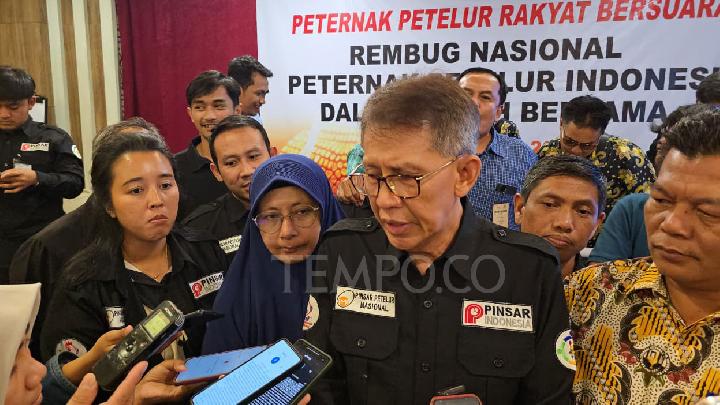
Around 200 layer chicken farmers from various regions in Indonesia declared the national self-sufficiency in egg production, achieved since 2024.
Prabowo Defends Palm Oil Expansion, Calls It a 'Miracle Crop'
2 Februari 2026
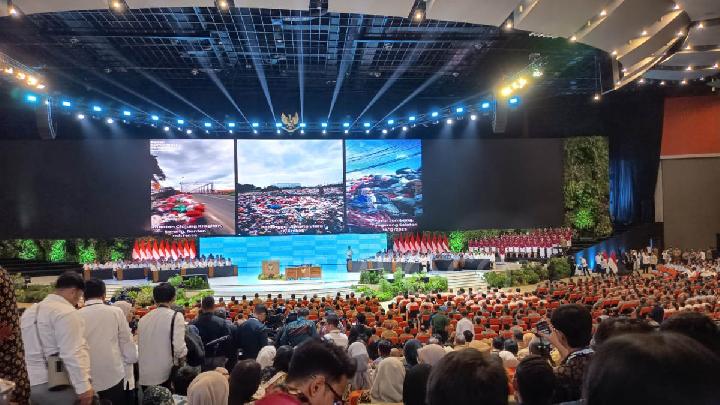
Prabowo also said that Indonesia could achieve energy self-sufficiency by optimizing palm oil production, but said the idea often faces resistance.
Military in Self-Sufficiency Projects
28 Januari 2026

The government built hundreds of special agricultural battalions. In Merauke, soldiers operated heavy equipment to carve out rice fields.
Government's Explanation on the Food and Energy Self-Sufficiency Projects in South Papua
27 Januari 2026
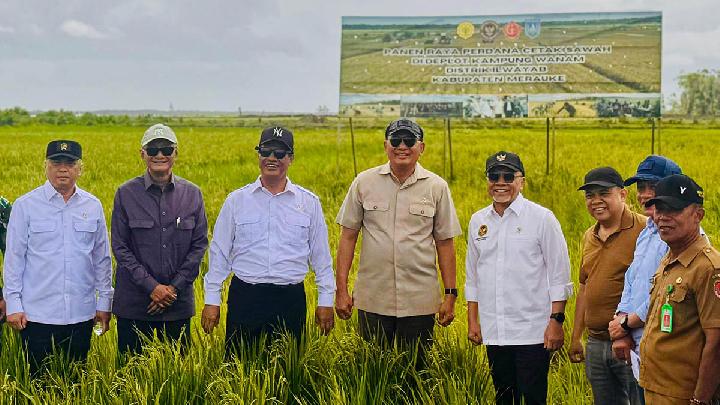
The Food and Energy Self-Sufficiency Program has been expanded. What is the government's explanation?
Prabowo Denies Reports of Cabinet Division, Asserts Unity
12 Januari 2026
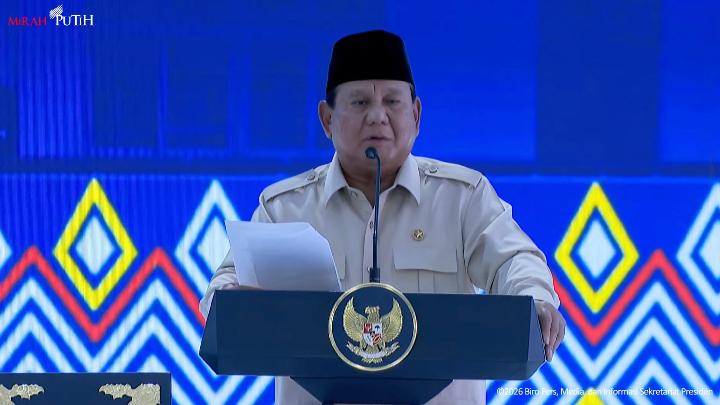
President Prabowo Subianto has dismissed analysis suggesting a rift within his Red and White Cabinet.
Why Rice Prices Are Rising in Indonesia Despite Claims of Self-Sufficiency
9 Januari 2026
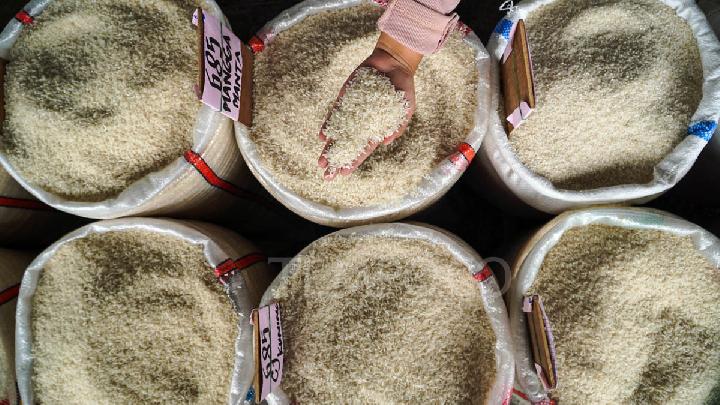
As rice prices rise, the government must ensure the well-being of farmers and maintain their purchasing power.