April 13, 2026 | 11:46 pm

TEMPO.CO, Jakarta - The soaring costs of plastic are affecting the prices of food and beverages, said the chair of the Indonesian Food and Beverage Association (GAPMMI) Adhi S. Lukman, amid a supply crunch for the raw materials of plastic packaging.
"This is a quite complicated situation, especially in the food and beverage sector. Nearly all industries utilize plastics, but it's difficult to get raw materials from suppliers," he said after attending a brief on US trade on Monday, April 13, 2026, as quoted by Antara.
"Some suppliers have informed that they are facing a shortage in packaging raw materials, with a few saying the stock will be depleted by May or June," he said.
Adhi further detailed that the plastic cost hike varied, from 30 to 100 percent, including for simple packaging such as plastic for meatballs and frozen meat products.
"For example, packaging contributes about 25 percent to the basic costs. A 100 percent increase will surely cause the industry to face difficulties in selling their products because they will be expensive, while purchasing power is limited," he said.
In response, some industry players have started to adjust the selling prices of their products, where basic commodities with plastic packaging seeing price hikes in the market. "Some basic commodities like rice and cooking oil already saw price adjustments. It's not the item itself, but the packaging that results in higher prices," he said.
Adhi explained that the cost pressure has also eroded the business margins. "Let's say that if the packaging contribution is 20 percent, if the price (of plastic) rises by just 60 percent, the basic cost will rise by about 12 percent. If we raise the selling price by 5 percent, this makes the cost pressure reaching 7 percent," he said.
To overcome the limited supply, Adhi said that industry players are urging the government to open the option of importing plastic raw materials from other alternative countries.
Read: ID Food Laments Plastic Packaging Supply Crunch
Click here to get the latest news updates from Tempo on Google News
ID Food Laments Plastic Packaging Supply Crunch
6 hari lalu
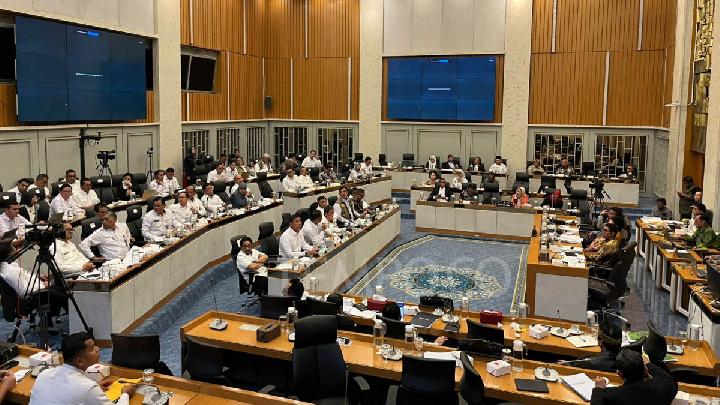
The director of ID Food opened up that the company is facing difficulties in obtaining plastic packaging materials.
Indonesia Seeks Plastic Raw Materials from Africa, India, and the US
11 hari lalu

The price of plastic in Indonesia has sharply increased recently due to disruptions in the supply of nafta from the Middle East.
Study: Pacific Ocean Currents Carry Microplastics Into Indonesian Waters
35 hari lalu
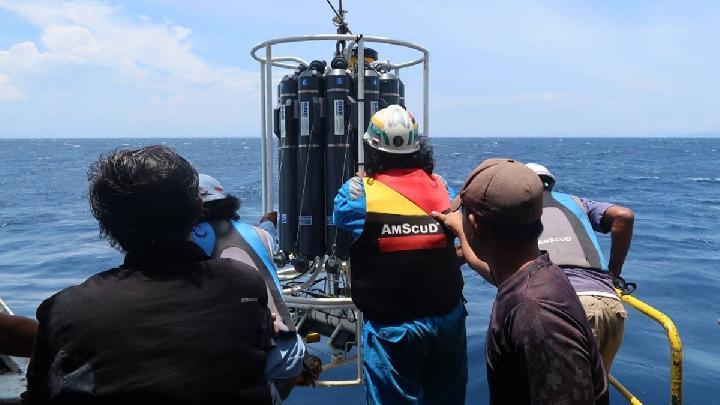
A joint research effort among various countries has found microplastics in Indonesian ocean regions up to a depth of 2,450 meters.
Microplastic Rain Hits East Java; Govt Urged to Act
46 hari lalu
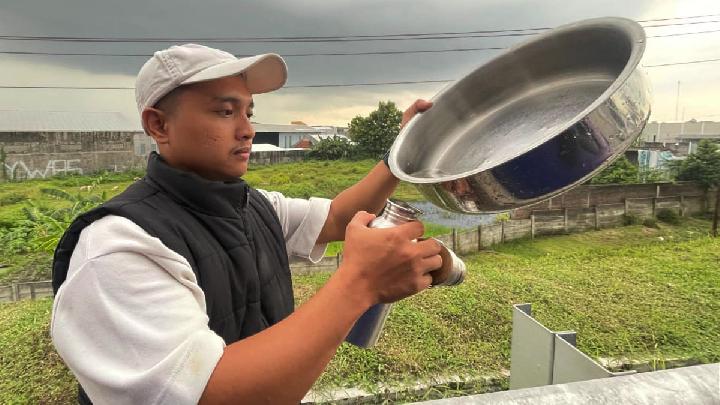
Researchers discover microplastics in East Java's rainwater, natural springs, and even human amniotic fluid. Experts urge the government to act.
BGN Bans Use of Plastic for Ramadan Free Nutritious Meal Packaging
47 hari lalu

The ban on plastic is intended to ensure that food remains fresh until it is received by the intended recipients.
World Waste Awareness Day: How Microplastics Enter the Human Body
49 hari lalu
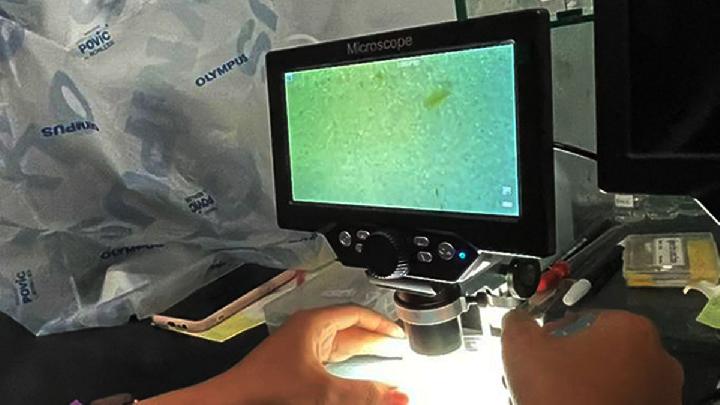
The Indonesian people consume the most microplastics, about 15 grams per month.
Plastic Emissions Could Double Health Damage by 2040
28 Januari 2026

Plastic pollution could double its harm to human health in the coming decades if current production trends continue, according to a new study.
Plant-Based Plastic Innovation: Leaves No Microplastics
23 Desember 2025
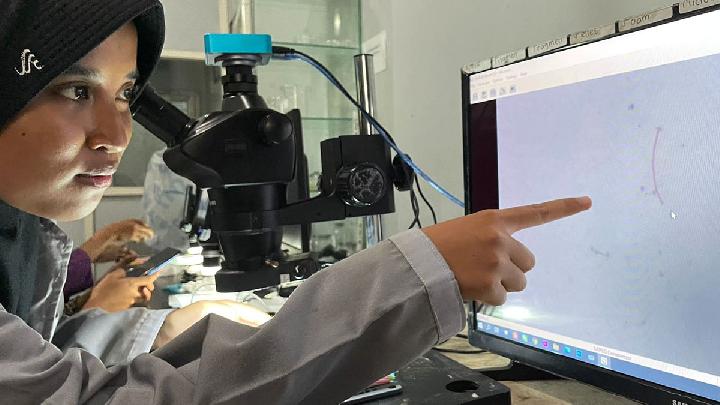
Japanese researchers have developed a plant-based plastic packaging material that easily decomposes in water without leaving microplastics.
From Tea Bags to Table Lamps: Surabaya Student Innovates Eco-Friendly Home Dcor
10 Desember 2025
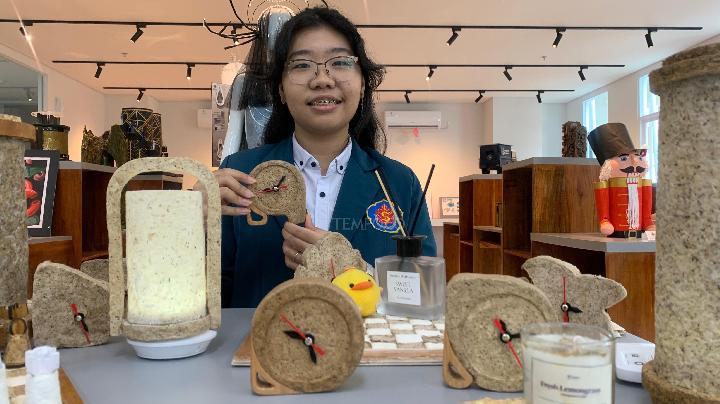
Jeanne Theresia Mintarja, a student at the University of Surabaya, creates home decorations from used tea bags in response to the concerns about microplastic content in tea bags.
Why Does Ocean Plastic Take Decades to Break Down? Scientists Explain
29 Oktober 2025

Contrary to common belief, most large ocean plastics degrade very slowly at the surface, with about 10 percent still afloat even after a century.