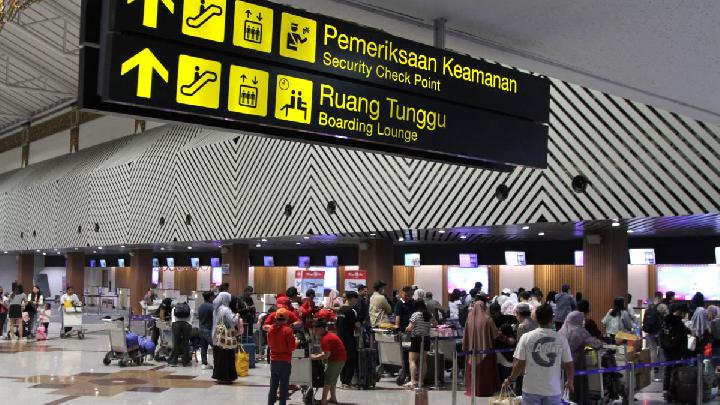
TEMPO.CO, Jakarta - Following the emergence of Nipah virus (NiV) cases in West Bengal, India, Asian countries on Tuesday, January 27, 2026, reinstated health measures at international airports to prevent the disease from spreading beyond India's borders.
Thailand has begun screening passengers at three airports receiving flights from West Bengal. Nepal has also begun screening arrivals at Kathmandu airport and other land border points with India.
Two cases have been confirmed in West Bengal since December, reported to health officials. About 196 people who came into contact with them have been traced and tested negative for the virus, the Indian Ministry of Health said.
As NDTV reports, although only two cases have been confirmed in the state and a total of five suspected cases so far, recent weeks have seen stringent measures to combat a possible Nipah virus outbreak, particularly in the neighboring state of Odisha and Kerala (where the disease is considered endemic).
Nipah is a zoonotic pathogen naturally carried by fruit bats and capable of transmission through contaminated food, animals, and close contact between individuals.
The virus can cause severe respiratory disease and acute encephalitis, and has historically had a high case fatality rate, ranging from approximately 40 percent to 75 percent depending on the outbreak and local healthcare capacity.
Unlike COVID-19, which spreads readily through airborne droplets among a wide population and has led to large-scale global transmission, Nipah transmission is more limited and associated with direct contact with an infected source.
However, the severity of the disease and the lack of a widely available vaccine or specific treatment have prompted careful monitoring by international health authorities.
In response to the outbreak in West Bengal, countries including Thailand, Nepal, and Taiwan have announced targeted health screenings for travelers arriving from high-risk areas, particularly West Bengal.
These screenings, reportedly adapted from a framework developed during the COVID-19 pandemic, aim to identify potentially infected passengers early, support rapid isolation if necessary, and reduce the risk of cross-border spread.
Here's an explanation of this medical screening, its importance to global health security, and what travelers should expect when crossing international borders during this time of alert.
What is Nipah Virus?
The World Health Organization (WHO) has listed Nipah among its top ten priority diseases, along with pathogens such as COVID-19 and Zika, because of its potential to trigger epidemics.
Nipah virus is a Henipavirus, first identified in Malaysia in 1999. It is transmitted through contact with infected animals, particularly fruit bats of the Pteropus family, contaminated food such as raw date palm sap, or close contact with infectious bodily fluids from an infected person.
The incubation period ranges from four to 14 days.
People infected with the virus exhibit a wide range of symptoms, or sometimes, no symptoms at all.
Symptoms typically begin with:
- Fever
- Headache
- Muscle aches
- Sore throat
These symptoms progress to:
- Respiratory distress
- Neurological complications including encephalitis
Severe cases can rapidly progress to:
- Coma
- Death within days
Because there is no specific antiviral therapy or widely licensed vaccine, the public health response focuses on surveillance, early detection, isolation, and supportive care. This risk profile explains why authorities treat even isolated outbreaks with high vigilance.
Which Countries Have Implemented Airport Screening?
In response to confirmed cases in the Indian state of West Bengal, several countries in Asia have implemented or enhanced airport health screening procedures for travelers arriving from India, particularly from affected areas:
1. Thailand
Thai authorities have reinstated health screening measures for all flights arriving from West Bengal, India, at major international airports including Suvarnabhumi, Don Mueang, and Phuket.
Travelers undergo temperature checks and must complete a health declaration form upon arrival.
Airlines conduct initial health screenings before boarding.
Passengers with symptoms or fever may be referred for secondary evaluation or isolation.
A "Health Alert Card" informing travelers of warning signs and necessary actions is provided to arriving passengers.
2. Nepal
Nepal has stepped up health screenings at Tribhuvan International Airport in Kathmandu and at major border crossings with India. Screening desks assess passengers for fever and other symptoms associated with Nipah and refer them to medical follow-up if necessary.
3. Taiwan
Taiwan plans to classify Nipah virus as a high-level infectious disease, a move that will legally require rapid reporting and response to suspected cases. While not airport screening in the conventional sense, this classification enhances monitoring and reporting protocols for those entering the country.
What Airport Screening Includes
Airport screening for Nipah is not a diagnostic test. It is a triage and early warning measure designed to flag individuals who are potentially symptomatic. While Covid-19 screening relies heavily on widespread testing, including rapid antigen and PCR tests, Nipah screening focuses on identifying symptomatic travelers and their risk history:
1. Temperature Screening
Passengers will undergo infrared or contactless temperature screening. Fever (usually defined as above 38 degrees Celsius) can be an early sign of infection and prompts secondary assessment.
2. Health Declaration and Questionnaire
Travelers are asked about:
Recent travel history to an outbreak zone (e.g., West Bengal).
Contact with sick individuals or exposure to animals often associated with Nipah.
Symptoms include fever, headache, sore throat, cough, confusion, or drowsiness.
3. Visual Clinical Observation
Trained health workers observe travelers for signs of illness, including:
- Severe fatigue
- Difficulty breathing
- Neurological symptoms (e.g., confusion)
If detected, individuals may be isolated pending further assessment.
4. Referral and Isolation Protocol
Passengers exhibiting signs consistent with infection may be transferred to a designated isolation facility and scheduled for confirmatory testing, typically RT-PCR if available, following public health guidance.
Read: Nipah Virus: India Says Only 2 Cases Confirmed as Fears Rise
Click here to get the latest news updates from Tempo on Google News