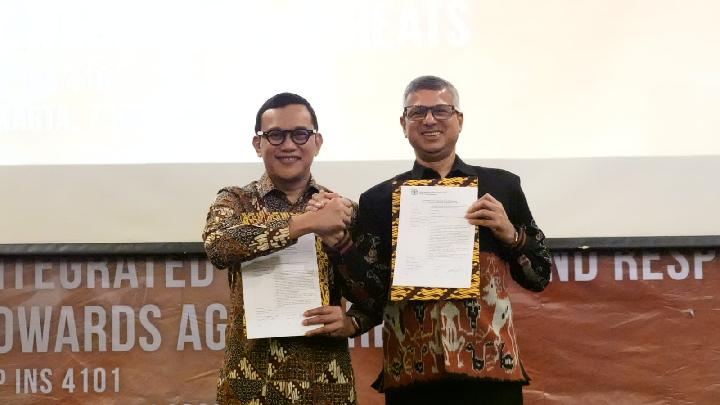
TEMPO.CO, Jakarta - The Indonesian Quarantine Authority (Barantin) and Food and Agriculture Organization of the United Nations (FAO) Indonesia launched today, July 7, a US$200,000 program to strengthen the country’s animal quarantine system, aiming to prevent the entry and spread of animal diseases and other agricultural threats amid increasing global trade.
Through the program, Barantin and FAO will be working together to enhance the risk management of Indonesia’s animal quarantine system by accurately mapping disease entry pathways using an integrated and science-based approach. Strengthening Indonesia’s animal quarantine is increasingly urgent to swiftly prevent, detect, control, and respond to animal quarantine pests and diseases, transboundary animal diseases that can spread rapidly among animals, zoonotic diseases that can be transmitted from animals to humans, and invasive alien species that can put Indonesia's biodiversity at risk.
These animal health risks may trigger a domino effect with serious implications on public health, food security, and the national economy. At least 13 million households in Indonesia rely on the livestock sector for their livelihoods, according to 2023 data from Statistics Indonesia (BPS).
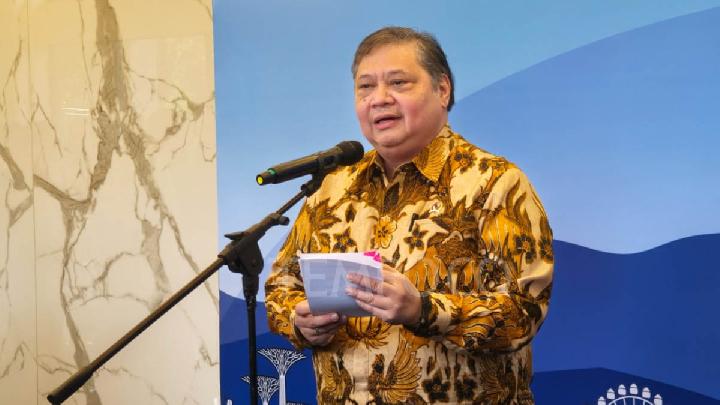
Abdul Kadir Karding, Head of the Indonesian Quarantine Authority, said that the quarantine system must be transformed to keep pace with the rapidly evolving global trade. Karding said that strengthening oversight solely at points of entry and exit is insufficient; it must be supported by accurate risk analysis, the use of digital technology, and data-driven decision-making.
"Barantin does not wish to become an obstacle or a bottleneck at the border. However, acceleration of the flow of goods must not come at the expense of our biosecurity. A modern, data-driven risk management approach that is aligned with international standards is key to protecting food security while simultaneously boosting national economic efficiency," said Karding during the program's inception workshop in Jakarta on Tuesday, July 7.
Despite its advancements, Indonesia’s animal quarantine system still grapples with various challenges, from fragmented data and limited integration of surveillance results to the absence of a risk assessment framework that follows international standards. The program, entitled “Strengthening animal quarantine risk management through integrated assessment and response towards agri-threats”, covers a range of interventions to address these barriers.
First, it will equip national quarantine officers with standardized competencies in mapping and managing animal quarantine pest and disease risks. Second, the program will develop an integrated application to monitor animal quarantine pest and disease risks, conduct surveillance mapping, and provide early warnings—enabling authorities to develop policies based on disease risk data and epidemiological trends. Third, the program will also equip the public and local communities with the capacity to mitigate and prevent animal quarantine pest and disease risks through public awareness campaigns.
FAO Representative in Indonesia and Timor-Leste, Rajendra Aryal, emphasized the need for a One Health approach to address these challenges, meaning that concerted efforts must acknowledge the interconnectedness of animal health with the health of humans, plants, and the broader ecosystems. This requires cross-sectoral coordination, including community engagement in early warning and preparedness efforts.
“Animal quarantine system is as a critical frontline defence against these risks. FAO is committed to supporting Barantin in strengthening its quarantine and risk analysis capacities by utilizing digital technologies. Beyond safeguarding animal health and global trade security, improving quarantine system is expected to protect public health and the wider ecosystems, as well as the livelihoods of millions of Indonesians,” Rajendra said.
The program is implemented through FAO’s Technical Cooperation Program modality, which aims to provide technical assistance in response to a member country's most urgent needs.
Representatives from various ministries and agencies, academia, professional organizations, and other relevant stakeholders attended the inception workshop, where they agreed on the programme’s implementation direction, framework, and planned activities to be executed throughout the project period of 2026 - 2028.
This strong cross-sectoral synergy is expected to mark a transformative step toward establishing a world-class quarantine, offering not only streamlined logistic systems but also robust protection to national food security, public health, and the economy.
Read: Indonesia Pushes for Stronger Food Cooperation with Australia
Click here to get the latest news updates from Tempo on Google News
FAO: Asia Drives Global Aquatic Production to Record High
19 hari lalu
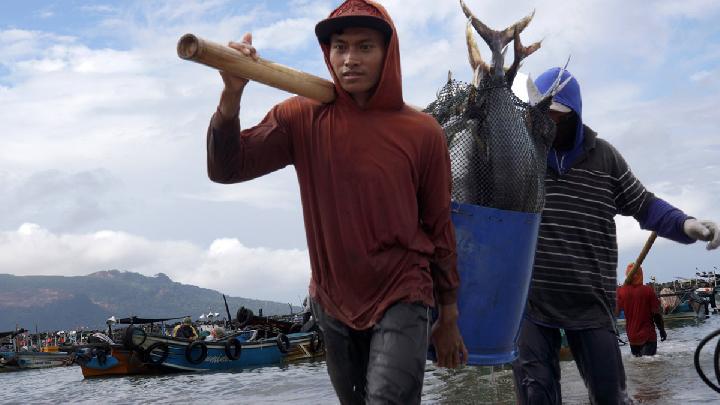
FAO's new report noted that global aquatic production hit a record 235 million tons in 2024, with Asia accounting for 76% of the output.
FAO-GEF Launch Small Grants Program for Local Communities
54 hari lalu
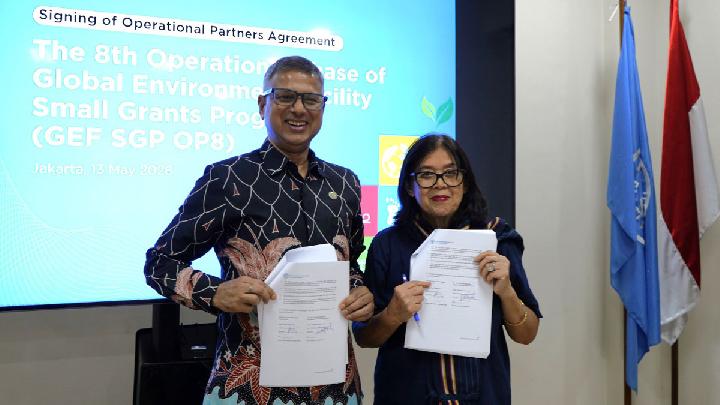
The FAO and GEF Small Grants Program (SGP) launch a new partnership in Indonesia, offering up to $75,000 for community-led environmental projects.
FAO, UN Women Launch Women Farmers Climate Campaign in Indonesia
7 Mei 2026
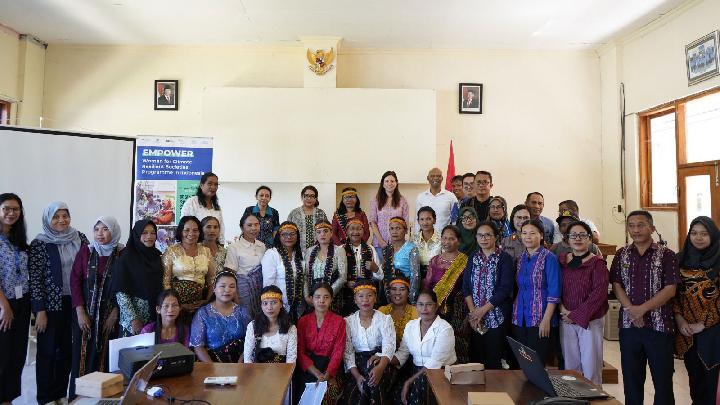
The campaign marks the start of the UN-declared International Year of the Woman Farmer 2026, aimed at addressing gender gaps in agrifood systems.
Indonesia Urges Stronger Ties at FAO Asia-Pacific Meeting
23 April 2026
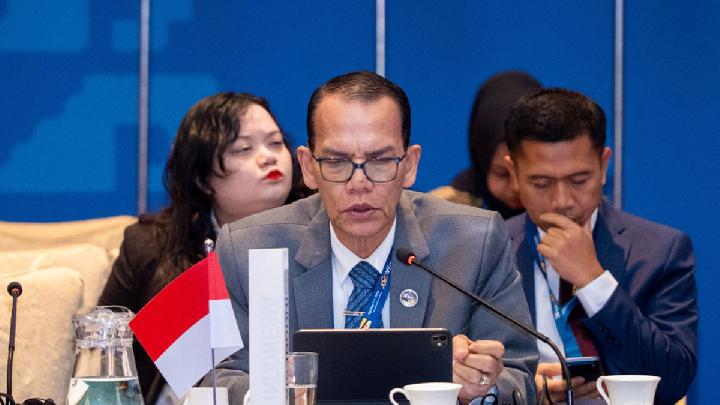
At the 38th FAO Regional Conference in Brunei, Indonesia called for stronger cooperation and a sub-regional platform to transform agrifood systems.
FAO Launches Asia-Pacific Food Forum in Brunei Darussalam
22 April 2026
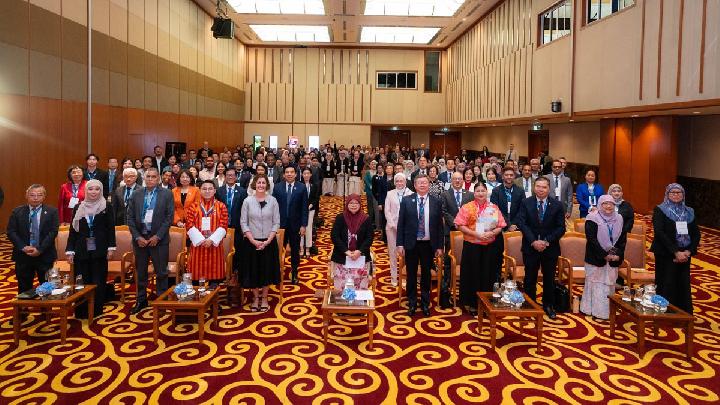
FAO launches the first Asia-Pacific Food Forum to improve agriculture and food systems across the region.
FAO Asia-Pacific Meeting Targets Rising Food Insecurity
20 April 2026
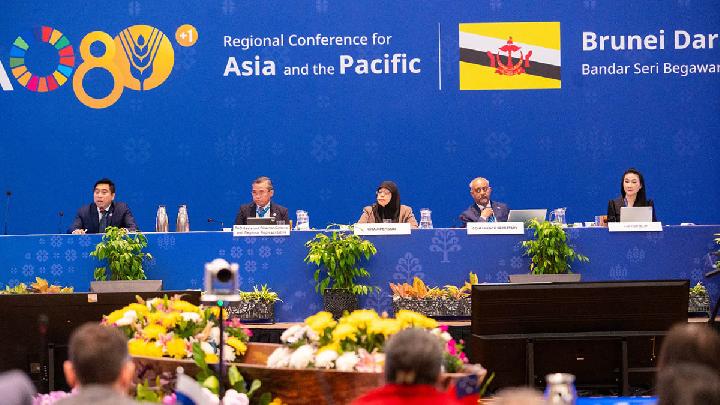
Senior officials gathered at the 38th FAO Regional Conference in Brunei to address food security challenges.
FAO: World Faces 'Catastrophe' if Hormuz Stays Disrupted
14 April 2026

The FAO warns that the continued blockage of the Strait of Hormuz could trigger a global food disaster.
FAO Reports 2.4% Increase in Global Food Prices Amid Rising Energy Costs
3 April 2026
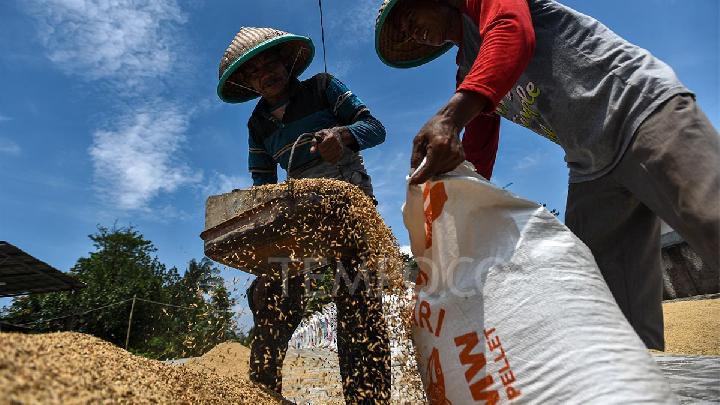
The food price increase was driven by soaring energy costs resulting from the ongoing conflict in the Middle East.
Indonesia, FAO Expand Global Cooperation on Sustainable Livestock
28 Maret 2026
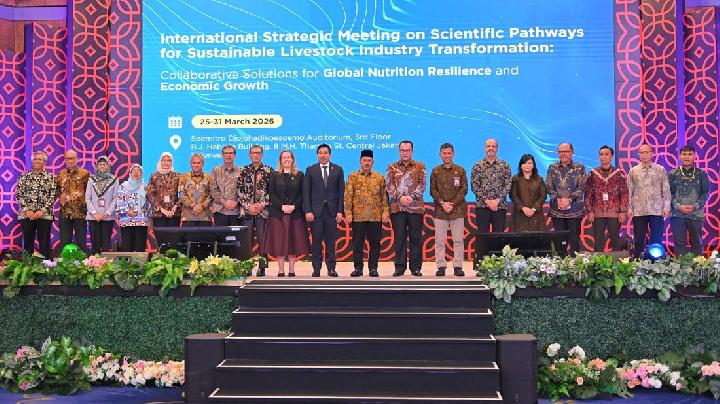
Indonesia's BRIN partners with FAO to advance science-based pathways for sustainable transformation of livestock systems.
Indonesia, FAO Launches $4.4mn Project to Combat Invasive Species
12 Maret 2026

Invasive species that are introduced into non-native environments threaten ecosystems, wildlife, and human well-being.