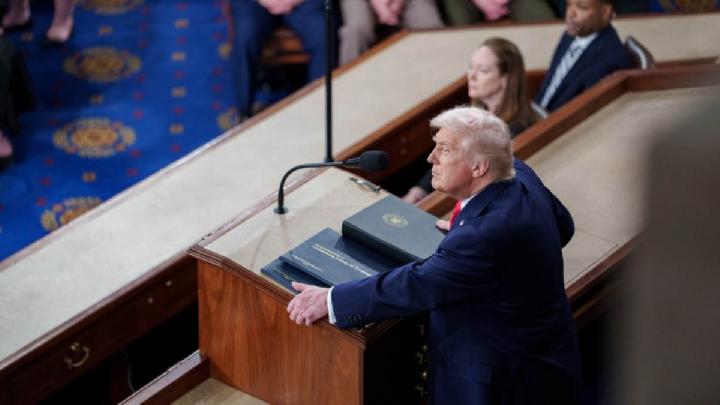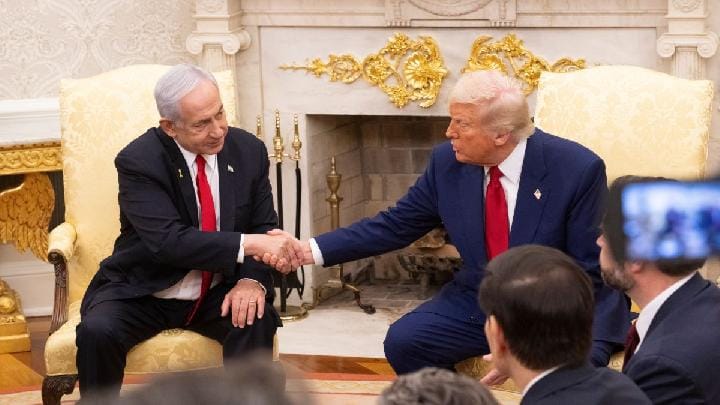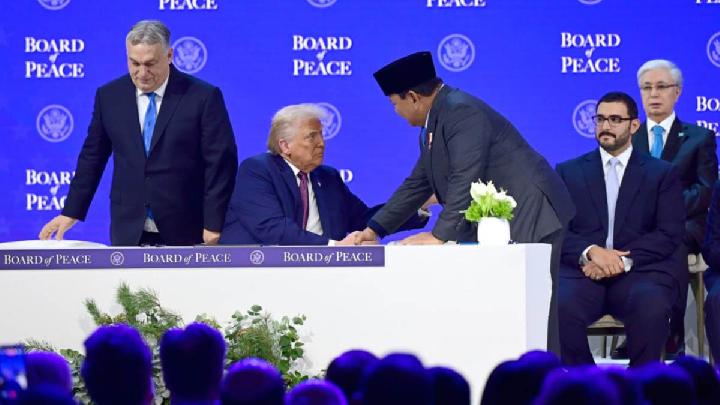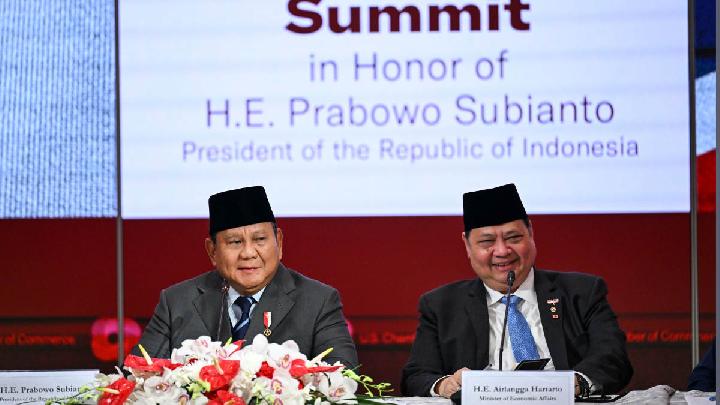
TEMPO.CO, Jakarta - The critical mineral sector has emerged in the Agreement on Reciprocal Trade (ART) document signed by Indonesian President Prabowo Subianto and United States President Donald Trump. The U.S. demands the removal of export restrictions on these commodities.
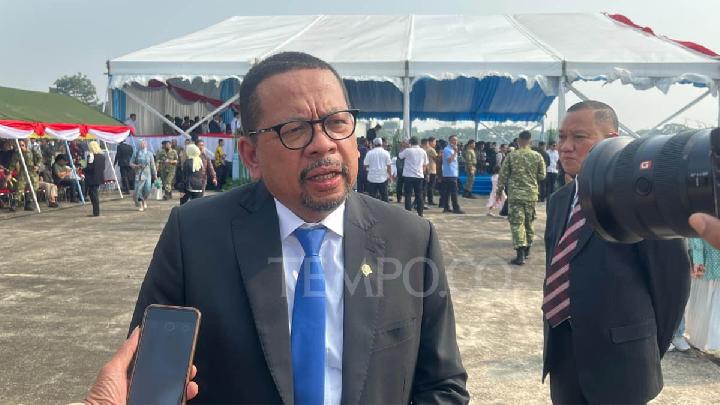
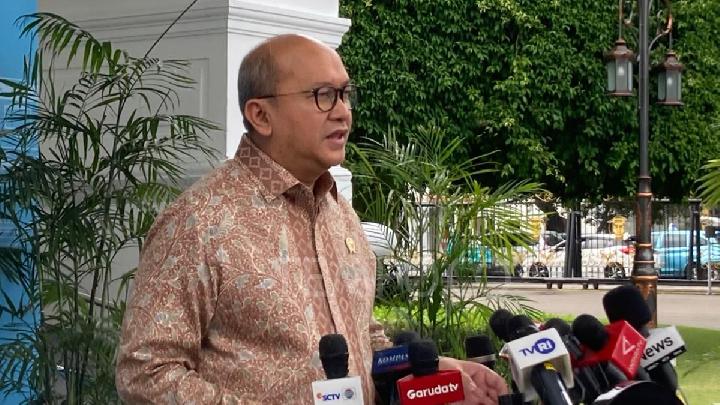
Coordinating Minister for the Economy Airlangga Hartarto stated that the mineral sector referred to in this cooperation framework is the second-stage processing. "We have mentioned that it is related to industrial minerals, meaning there is a secondary process, and Indonesia is open to investment and technology cooperation, both in critical minerals and minerals," he said in a virtual press conference on Friday, February 20, 2026.
The elimination of export restrictions on critical minerals is included in the ART document. "The United States and Indonesia will cooperate to increase supply chain resilience, address duty evasion, and ensure adequate export controls and investment security. Indonesia will remove restrictions on exports to the United States for all industrial commodities, including critical minerals," reads one of the points in the document uploaded by the U.S. Trade Representative's Office (USTR) on February 19, 2026.
In addition, the U.S. also demands involvement in its supply chain, such as expediting the supply of critical minerals, including rare earth metals. Indonesia is asked to collaborate with U.S. companies in mining, processing, and downstream production of critical minerals based on commercial considerations.
The U.S. point directly demanding the removal of export restrictions on raw minerals raises questions about the policy of banning the export of raw minerals, such as nickel, which has been in place. The Executive Director of CORE Indonesia, Mohammad Faisal, believes that this agreement contradicts the downstream program that the Indonesian Government has been promoting.
If the government complies, then this is a backward step. "After all, we can do downstreaming with nickel because there is a ban on exporting its ore," said Faisal to Tempo on February 20, 2026.
Furthermore, this policy is likely to create a perception of differential treatment. This step could also set a bad precedent for other investors and risk disrupting the investment climate.
He sees the request for cooperation with downstream management and production as an attempt by the U.S. to compete with China's dominance. China is considered to have dominated the supply of critical minerals such as nickel, copper, and other rare earths. This step is important because critical minerals are essential raw materials for high-value manufacturing industries, such as those producing semiconductors and technological products.
Read: Indonesia's Zero-Tariff Textile Exports to the US Explained
Click here to get the latest news updates from Tempo on Google News