TEMPO.CO, Jakarta – Indonesia’s Health Social Security Agency (BPJS Kesehatan) has deactivated around 11 million recipients of government-subsidized health insurance premiums after a data review by the Ministry of Social Affairs found they no longer met eligibility requirements.
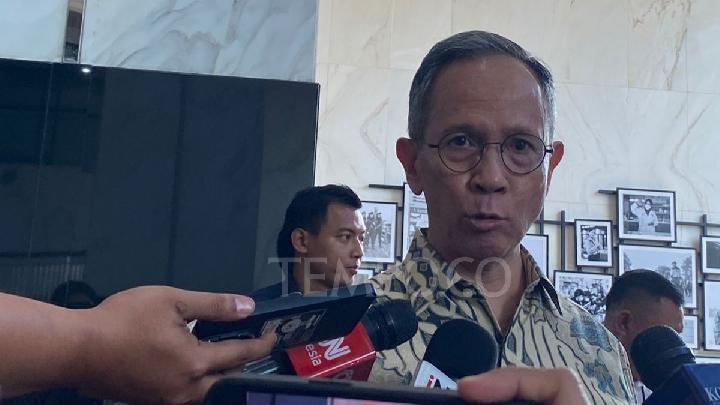
BPJS Kesehatan President Director Ali Ghufron Mukti said the deactivation affected participants registered under the premium assistance beneficiaries (PBI) scheme.
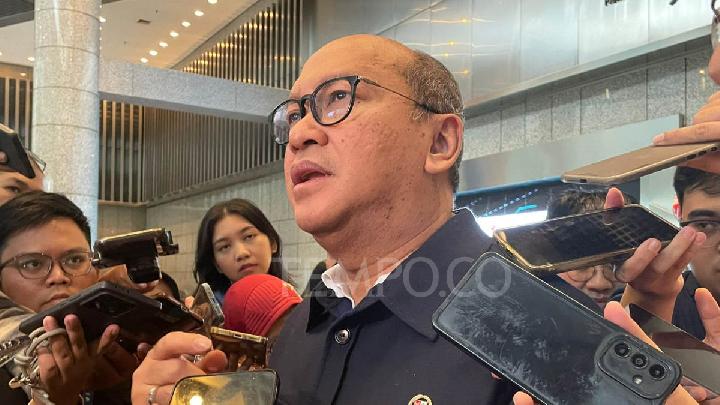
“The figure we have received is more than 10 million, or approximately 11 million people who are considered no longer eligible, so their participation has been deactivated,” Ghufron told Tempo on Friday, February 6, 2026.
He explained that the move was part of a broader update of citizens’ socio-economic data conducted by the Ministry of Social Affairs. Under the process, participants deemed ineligible are removed and replaced by others who better meet the criteria.
Despite the large number of deactivations, Ghufron stressed that the total number of PBI beneficiaries remains unchanged at 96.8 million people.
“The total number of PBI participants is still the same. Only some individuals are no longer considered eligible,” he said.
Responding to complaints that some deactivated participants were still from underprivileged households, Ghufron emphasized that BPJS Kesehatan does not determine eligibility for premium assistance.
“The authority to decide whether someone qualifies for contribution assistance lies entirely with the Ministry of Social Affairs,” he said.
The government is currently overhauling the registration system for social assistance recipients through the implementation of the Single National Socio-Economic Data, or DTSEN, which serves as the sole reference for all government aid programs.
Under the DTSEN system, households are categorized into economic deciles, ranging from decile 1, the poorest group, to decile 10, the most economically secure. Adjustments based on this classification have led to the removal of a number of PBI recipients from the beneficiary list.
The data revisions have sparked controversy in recent weeks, particularly after reports emerged that kidney failure patients were affected.
The Indonesian Kidney Dialysis Patient Community, or KPCDI, said at least 30 patients were unable to access dialysis services after discovering their BPJS Kesehatan coverage had been suddenly deactivated at hospital registration counters.
Separately, Minister of Social Affairs Saifullah Yusuf said affected participants could apply for reactivation if they can prove they fall within deciles 1 to 4 under the DTSEN classification.
While the reactivation process is underway, Saifullah urged hospitals and health facilities not to deny services to patients requiring dialysis or other urgent medical treatment.
“I have coordinated with the Minister of Health and the President Director of BPJS Kesehatan. There is already a solution. In principle, hospitals must not reject dialysis patients because this service cannot be postponed,” said Saifullah, who is commonly known as Gus Ipul, when met at the Ministry of Social Affairs office on Thursday, February 5, 2026.
Read: Inside Prabowo-Australian PM Talks at the Palace
Click here to get the latest news updates from Tempo on Google News